Recognizing Liver Problem Signs and Symptoms Early
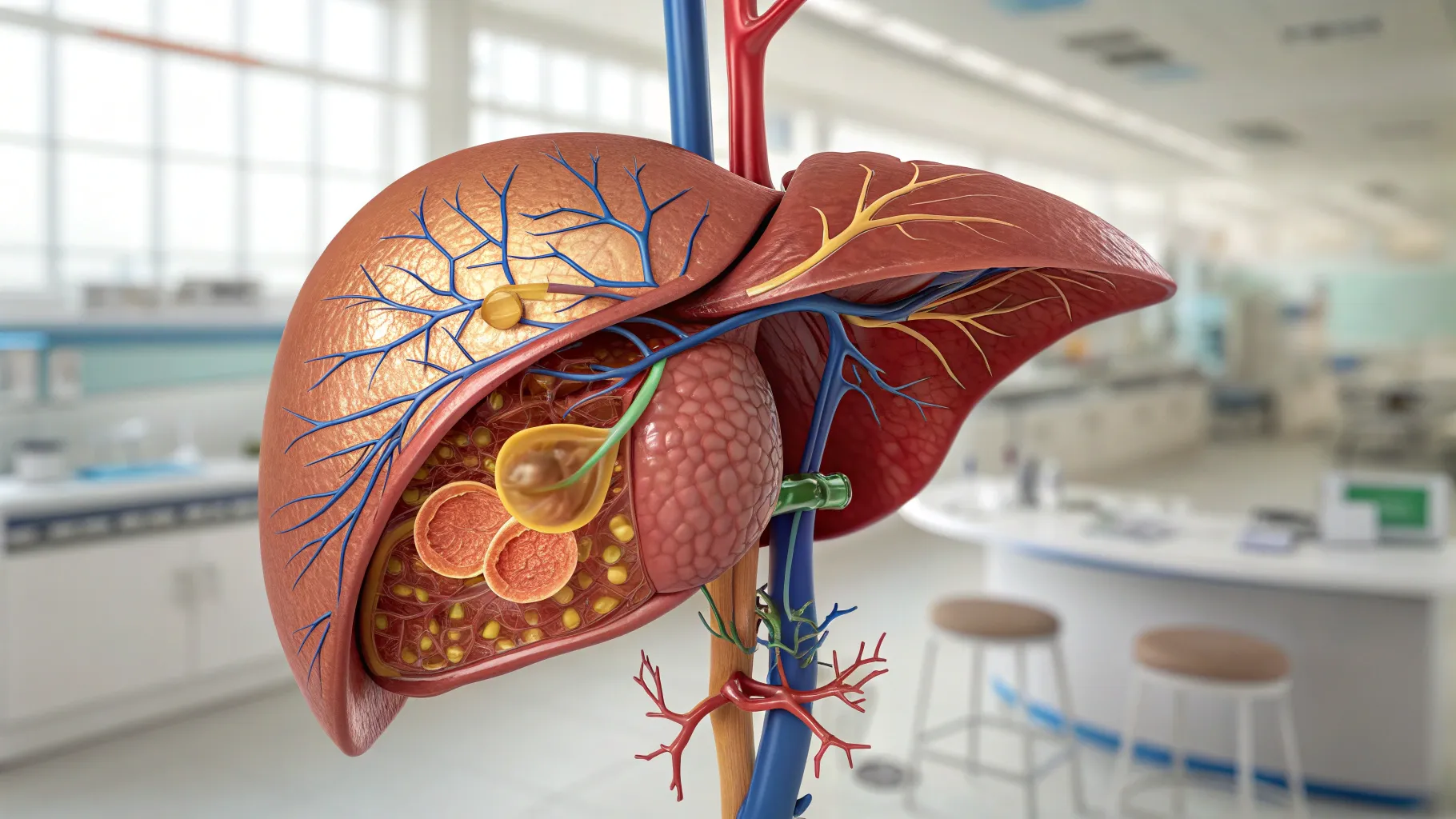
Warning Signs of Liver Problems
The liver is a remarkable organ responsible for various vital functions essential to our overall health. It plays a crucial role in detoxification, protein synthesis, and the production of biochemicals necessary for digestion. However, liver problems can often go unnoticed until they develop into severe conditions. Therefore, it is important to be vigilant and recognize the warning signs of liver problems so you can seek medical assistance promptly.
Common Symptoms Indicating Liver Dysfunction
Liver dysfunction can manifest in various ways. Here, we outline some common symptoms that may suggest a potential liver issue:
- Abdominal Pain: Pain or discomfort in the upper right side of the abdomen, where the liver is located, is a common initial symptom. This pain can range from a dull ache to sharp stabbing sensations, often prompting individuals to seek medical advice.
- Nausea: Unexplained bouts of nausea are often linked to liver issues. If you frequently feel nauseous, particularly alongside other symptoms like fatigue or jaundice, take this seriously.
- Fatigue: Unexplained and chronic fatigue that does not dissipate with rest may be a signal of liver dysfunction. A liver that struggles to detoxify the body can significantly impact your overall energy levels.
- Changes in Appetite: A drop in appetite or noticeable weight loss can be indicative of liver problems. Such changes may stem from the liver’s compromised ability to process nutrients effectively.
- Jaundice: One of the more recognizable symptoms is jaundice, which manifests as yellowing of the skin and eyes. This occurs when the liver struggles to eliminate bilirubin from the bloodstream, suggesting a serious liver issue.
- Itchy Skin: Persistent itchiness without a rash can hint at liver blockage, leading to bile salts accumulating in the bloodstream and causing discomfort.
Recent statistics have underscored the growing concern surrounding liver diseases. A report from the World Health Organization highlights that liver diseases were responsible for over 2 million deaths globally in 2024. This alarming trend further emphasizes the importance of recognizing and understanding these symptoms for early detection and treatment.
Recognizing Severe Liver Problems
Ignoring early warning signs can have dire consequences, potentially leading to severe liver conditions such as cirrhosis or liver failure. If you or someone you know manifests the following symptoms, it is imperative to seek medical intervention immediately:
- Swelling of the Abdomen: Known as ascites, this condition arises when fluid accumulates in the abdomen due to increased pressure within the liver, leading to a visibly distended abdomen that can be uncomfortable.
- Confusion or Cognitive Changes: Liver failure can result in hepatic encephalopathy, where toxins build up in the bloodstream and affect brain function. This can result in confusion, difficulty concentrating, and hallucinations.
- Easy Bruising or Bleeding: The liver is responsible for producing proteins essential for blood clotting. A decline in these proteins can lead to unexplained bruising, bleeding from the nose, or bleeding gums predicative of underlying liver issues.
- Dark Urine or Pale Stools: Significant changes in urine color (dark) or stool color (pale) can be telltale signs that your liver is struggling, indicating possible bile duct obstruction or liver damage.
A recent study published in the Journal of Hepatology in early 2025 illustrated that individuals who sought medical attention upon experiencing early signs of liver distress—especially jaundice and abdominal pain—exhibited significantly improved recovery rates compared to those who delayed treatment.
How to Protect Your Liver Health
Taking proactive measures to safeguard your liver health is essential. Below are key strategies to mitigate risks and promote optimal liver function:
- Maintain a Healthy Diet: Emphasize a diet rich in fruits, vegetables, whole grains, and lean proteins. Minimizing processed foods high in sugar and unhealthy fats can help protect your liver from fatty deposits.
- Limit Alcohol Consumption: Excessive alcohol use ranks among the leading causes of liver disease. If you decide to drink, moderation is key to preserving your liver health.
- Stay Hydrated: Drinking ample water is vital for your liver, as it aids in flushing out toxins more effectively and ensures overall body hydration.
- Regular Exercise: Engaging in consistent physical activity helps maintain a healthy weight and reduces the risk of developing conditions like fatty liver disease.
- Avoid Toxins: Your liver can be damaged by harmful substances found in pesticides, industrial chemicals, and even some household products. Use protection when exposed to toxins and limit interactions as much as possible.
Public awareness campaigns launched in 2025 focus on promoting liver health, encouraging timely check-ups and vigilance for warning signs. If such symptoms arise, do not hesitate to consult healthcare professionals. Early diagnosis and prompt intervention can significantly alter the prognosis of liver-related diseases.
When to Seek Medical Attention
Combination symptoms, such as abdominal pain along with jaundice and fatigue, necessitate a consultation with your doctor. Routine liver function tests (LFTs) can detect abnormalities before severe symptoms manifest, supporting early diagnosis and treatment.
The liver is indeed a resilient organ, but it requires attentive care and regular monitoring. Ignoring warning signs may lead to significant health issues, so prioritize your liver health. Stay informed, proactive about your wellness, and always attuned to your body’s signals to maintain a healthier lifestyle.