The Ultimate Guide to Building and Maintaining Backyard Chicken Coops
Facts:
- Chickens can recognize and remember over 100 different faces.
- A major trend for urban homesteaders is creating custom DIY chicken coop designs for small spaces.
Designing the Perfect Haven: Key Considerations for Your Flock
Embarking on the journey of raising chickens is an exciting venture that connects you with your food source and brings a unique charm to your home. At the heart of this endeavor is the coop, which is more than just a shelter; it's a sanctuary that keeps your flock safe, healthy, and productive. The quality of your backyard chicken coops directly impacts the well-being of your birds. From ensuring they are safe from predators to providing a comfortable environment for laying eggs, every detail matters. Whether you're a seasoned homesteader or a curious beginner, understanding the fundamental principles of coop design is the first step toward a thriving flock and a daily supply of fresh eggs.
Fort Knox for Feathers: Must-Have Features for a Predator Proof Chicken Coop
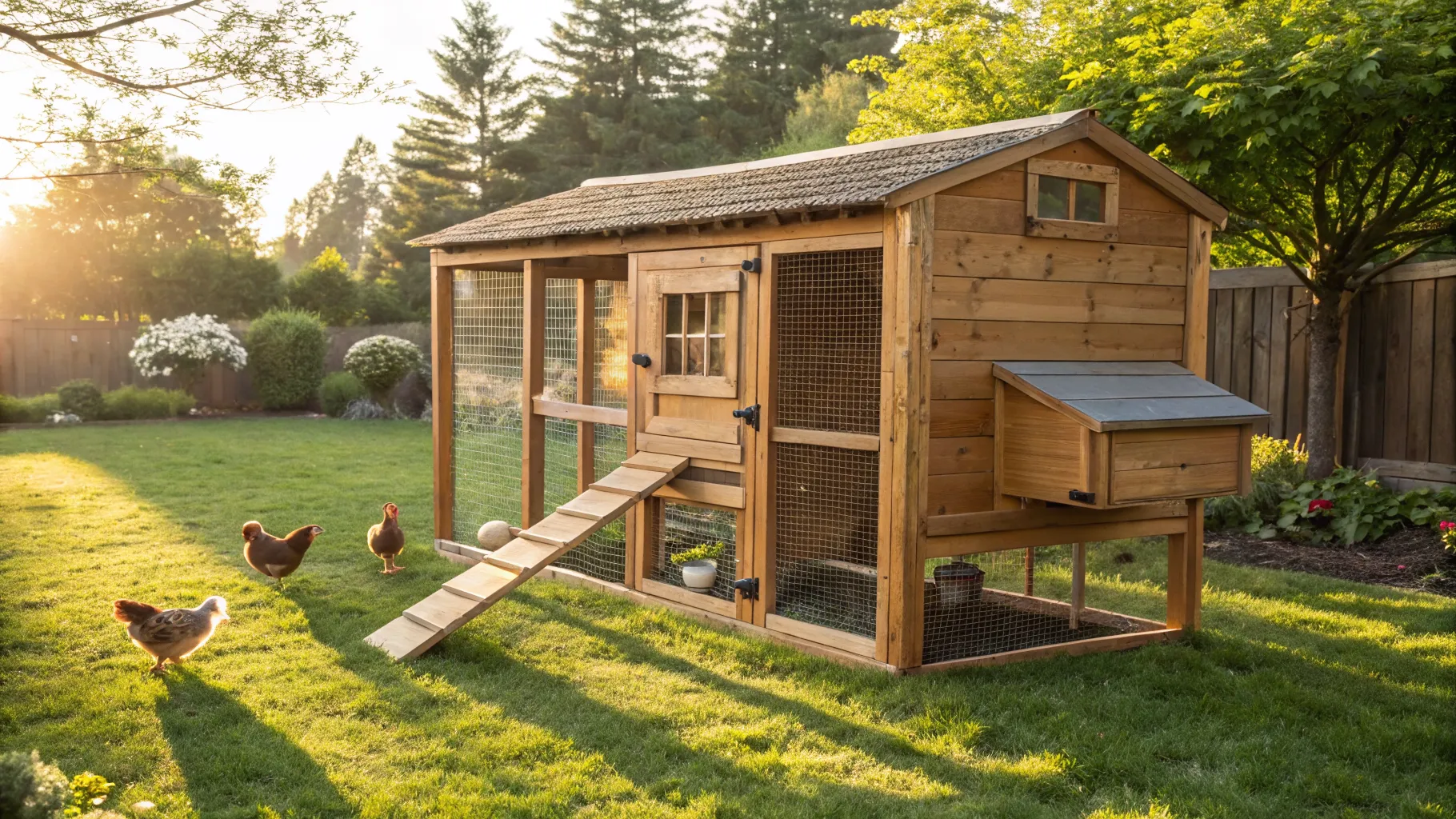
The safety of your chickens is paramount, and predators are a persistent threat in both rural and urban environments. A predator proof chicken coop is a non-negotiable requirement. Key features include using hardware cloth with half-inch or smaller mesh on all windows and ventilation openings, as raccoons can reach through wider chicken wire. All doors and nesting box lids must have complex, two-step latches that clever predators cannot easily manipulate. The coop's foundation should also be secure. A solid floor is ideal, but if you have a dirt floor, you must bury a hardware cloth skirt around the perimeter to prevent predators from digging underneath. Every gap and crack must be sealed to create a truly impenetrable fortress for your flock.
Sizing it Right: From a Small Chicken Coop to a Large Flock Homestead
Choosing the correct size for your coop is crucial for preventing stress, disease, and pecking order disputes. A common mistake is underestimating the space chickens need. The general rule is to provide at least 3-4 square feet of indoor coop space per standard-sized chicken and 8-10 square feet of outdoor run space. If you are starting with a small chicken coop for 3-4 hens, ensure it still meets these minimums. Inside, provide about 8-10 inches of roosting bar space per bird, tiered to allow for natural roosting behavior. You'll also need one nesting box for every 3-4 hens. Planning for a slightly larger coop than you initially need is always wise, as many chicken keepers find themselves wanting to expand their flock, a phenomenon affectionately known as 'chicken math'.
The Builder's Blueprint: A Deep Dive into DIY Chicken Coop Plans
For those with a knack for building, a DIY chicken coop project can be incredibly rewarding and cost-effective. The internet is filled with countless chicken coop plans, ranging from simple A-frame tractors to elaborate, walk-in structures. When selecting a plan, consider your climate, flock size, and available materials. A good set of chicken coop plans will provide a detailed materials list, step-by-step instructions, and clear diagrams. Look for designs that prioritize ventilation, ease of cleaning, and security. Building your own allows for complete customization, letting you create the perfect home that fits your aesthetic and your flock's specific needs, ensuring your backyard chicken coops are both functional and beautiful.
Climate Control for Your Flock: Ventilation and Insulation Essentials
Proper ventilation is one of the most critical yet often overlooked aspects of coop design. Chickens produce a significant amount of moisture and ammonia, which can lead to respiratory problems and frostbite in the winter if not properly vented. Good ventilation allows stale, moist air to escape without creating a draft directly on the roosting birds. Vents should be placed high up in the coop, well above where the chickens sleep. In colder climates, insulation can help maintain a stable temperature, but it must be paired with excellent ventilation to prevent moisture buildup. In hotter climates, ample shade, wide windows for cross-breezes, and a well-ventilated design are essential to keep your flock from overheating. The goal is to create comfortable and healthy backyard chicken coops year-round.
Your Weekly Coop Maintenance Checklist
Regular maintenance is key to a healthy flock and a long-lasting coop. A consistent routine prevents the buildup of harmful bacteria and parasites and allows you to spot potential problems early. Here is a simple checklist to follow:
- Daily Refresh: Check and refill food and water containers. Ensure the water is clean and fresh. Collect eggs daily to keep them clean and prevent hens from becoming broody.
- Weekly Tidy-Up: Remove and replace soiled bedding in the main coop area, especially under the roosts. The 'deep litter method' can reduce frequency, but still requires regular turning and monitoring.
- Monthly Deep Clean: Scrape down roosting bars and remove all bedding. Scrub surfaces with a poultry-safe cleaner, allow to dry completely, and then add fresh bedding. This is a good time to inspect the entire structure for any needed repairs.
- Security Check: Regularly inspect the coop's perimeter, latches, and wire mesh for any signs of damage or attempted entry by predators. Ensure all components of your predator proof chicken coop are in working order.
Frequently Asked Questions
How much space do I need for a small chicken coop?
For a small chicken coop housing 3-5 standard-sized hens, you should aim for a minimum of 12-20 square feet of interior floor space and an attached run of at least 40-50 square feet. More space is always better to promote a happy and healthy flock.
What are the most important elements in predator proof chicken coop plans?
The most crucial elements for a predator proof chicken coop are using 1/2-inch hardware cloth instead of chicken wire, installing secure, two-step locking mechanisms on all access points, and ensuring there are no gaps larger than half an inch. A buried hardware cloth apron around the perimeter is also vital to stop digging predators.
Can I build a DIY chicken coop without prior building experience?
Absolutely. Many beginner-friendly chicken coop plans are designed for people with basic tool skills. A-frame chicken tractors or simple box coops are great starter projects. Start with a clear, detailed plan, take your time with measurements, and don't be afraid to ask for help. A DIY chicken coop is a very achievable weekend project for a novice builder.
References
- The Community Guide to Raising Healthy Chickens
- Storey's Guide to Raising Chickens, 4th Edition
- Urban Homesteading: A Practical Guide to Self-Sufficient Living
- Poultry Health and Management Journal