Top 10 Heart Healthy Foods for Optimal Cardiovascular Health
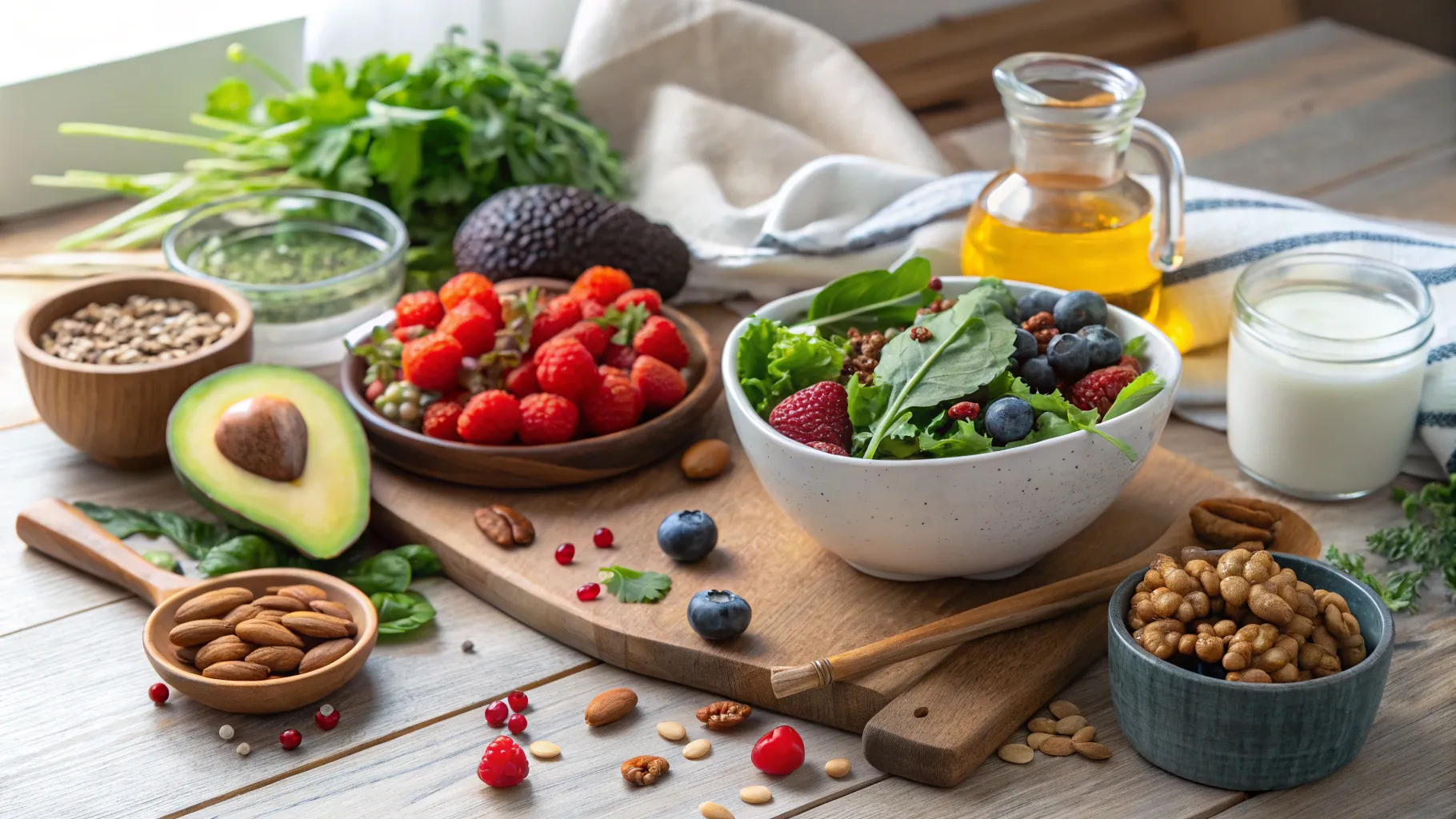
10 Foods That Support Heart Health
Maintaining a healthy heart is essential for overall well-being, especially in today’s fast-paced world, where heart disease remains a leading cause of death. As we find ourselves in 2025, increasing awareness around heart healthy foods is crucial. Incorporating these foods into our daily diets can significantly enhance our heart health, improve cholesterol levels, and elevate our vitality.
Importance of Omega 3 Heart Diet Foods
Did you know that omega-3 fatty acids are vital for cardiovascular health? Their anti-inflammatory properties and ability to lower triglycerides make them particularly beneficial. The American Heart Association continues to endorse these fats as essential for anyone striving to nourish their heart. Here are a few excellent sources:
- Fatty Fish: Salmon, mackerel, sardines, and trout are all rich in omega-3s. Studies have shown that consuming these fish at least twice a week is linked to a reduced risk of developing heart disease.
- Walnuts: Considered a powerhouse among nuts, walnuts boast a high content of plant-based omega-3s, antioxidants, and fiber. This combination helps maintain healthy cholesterol levels.
- Chia Seeds: Despite their small size, chia seeds pack a significant nutritional punch. They are high in fiber, which aids in lowering cholesterol, and loaded with omega-3s. Adding these seeds to smoothies or oatmeal can provide a hearty boost to your diet!
Promoting Fiber for Better Cholesterol Control
As we aim to keep our hearts healthy, including fiber-rich foods in our diets is crucial. Surprisingly, approximately 90% of Americans fail to meet their daily fiber intake goals. Experts recommend aiming for 25 to 30 grams of fiber per day. The good news? Many delicious options are available:
- Whole Grains: Oatmeal, whole-grain bread, and brown rice are fantastic sources of soluble fiber, which helps lower cholesterol levels.
- Legumes: Beans, lentils, and chickpeas are fiber-dense. For instance, just a single cup of cooked lentils contains around 15 grams of fiber, making them a hearty addition to meals.
Colorful Fruits and Vegetables for Heart Health
It’s not just about getting your five a day; it’s also essential to eat a variety of colorful fruits and vegetables. They are rich in vitamins, minerals, and antioxidants that can remarkably improve vascular health and promote overall cardiovascular health.
- Berries: Varieties like blueberries, strawberries, and raspberries possess heart-protective properties thanks to their high antioxidant content. Anthocyanins found in these fruits can lower blood pressure and inflammation levels.
- Leafy Greens: Spinach, kale, and collard greens are nutrient-dense foods necessary for heart health. They are loaded with vitamins K and C, magnesium, and fiber that support cardiovascular health.
- Citrus Fruits: Oranges and grapefruits are excellent sources of vitamin C and other antioxidants, which help lower both blood pressure and cholesterol levels.
The Power of Nuts and Seeds
Nuts and seeds serve as nutrient-rich options for enhancing a heart-healthy diet. These foods are not only easy to include in meals and snacks but also provide healthy fats and proteins that contribute to heart health.
- Almonds: Well-known for their potential to lower bad cholesterol (LDL), almonds are a fantastic source of vitamin E, supporting optimal heart health.
- Flaxseeds: These tiny seeds are a great plant-based source of omega-3 fatty acids and fiber, both essential for maintaining a healthy heart and controlling cholesterol levels.
Quality Fats for a Heart-Healthy Diet
There’s a misconception that all fats are detrimental to our health, but that couldn’t be further from the truth. Incorporating good fats is critical for your heart. Here are two of the best sources:
- Olive Oil: Rich in heart-healthy monounsaturated fats, olive oil can significantly lower the risk of heart disease. Consider replacing butter with olive oil when cooking for a healthier option.
- Avocados: These creamy fruits are packed full of healthy fats, fiber, and potassium, which help to lower blood pressure and cholesterol levels.
Indulging in Dark Chocolate Wisely
It may surprise you to learn that dark chocolate can be part of a heart-healthy diet! Recent studies indicate that dark chocolate, abundant in flavonoids, can enhance circulation and lower blood pressure when indulged in moderation. Just remember:
- Choose Carefully: Always opt for dark chocolate with at least 70% cocoa. This selection helps you enjoy the heart health benefits without loading up on extra sugar.
Fermented Foods for a Healthy Gut and Heart
The connection between gut health and heart health is becoming increasingly apparent. Fermented foods support a healthy gut microbiome, which can, in turn, influence cardiovascular health. Probiotics found in these foods are linked to managing cholesterol levels and reducing heart disease risk.
- Yogurt: Choose low-fat or Greek yogurt to increase your calcium and probiotics intake, both beneficial for heart health. These additional components can help reduce blood pressure.
- Kimchi and Sauerkraut: These flavorful fermented foods not only spice up your meals but also provide a substantial amount of probiotics that can benefit heart health.
In summary, prioritizing a diet rich in cardio nutrition foods is a proactive step toward better heart health. The foods featured here represent some of the best options available today for maintaining and improving your heart health. By incorporating these heart-healthy foods into your daily meals, you are on your way to a healthier, happier lifestyle.