Top 10 Hobbies for Retirees to Enjoy and Discover
Top 10 Hobbies for Retirees
As we gracefully transition into retirement, the quest for fulfilling activities becomes paramount. Engaging in hobbies is a fantastic way for retirees to fill their time, discover new passions, and connect with others. In 2025, finding the best hobbies for seniors is not just important—it's a pathway to enrichment and joy. In this article, we dive into the top 10 hobbies that cater specifically to retirees, focusing on low impact activities, creative expressions, and practical steps to help you embark on a new adventure.
Why Hobbies Matter for Retirees
Exploring new hobbies during retirement can have profound benefits. According to new research by the National Institute on Aging released in June 2025, engaging in enjoyable activities significantly enhances mental health and overall happiness among seniors. Hobbies also help reduce feelings of isolation by enabling social connections, which is critical as we age. In fact, well-structured leisure activities have been linked to lower rates of depression and improved cognitive function among retirees. Let's explore ten enriching hobbies that not only entertain but also enhance quality of life.
Top 10 Hobbies for Retirees in 2025
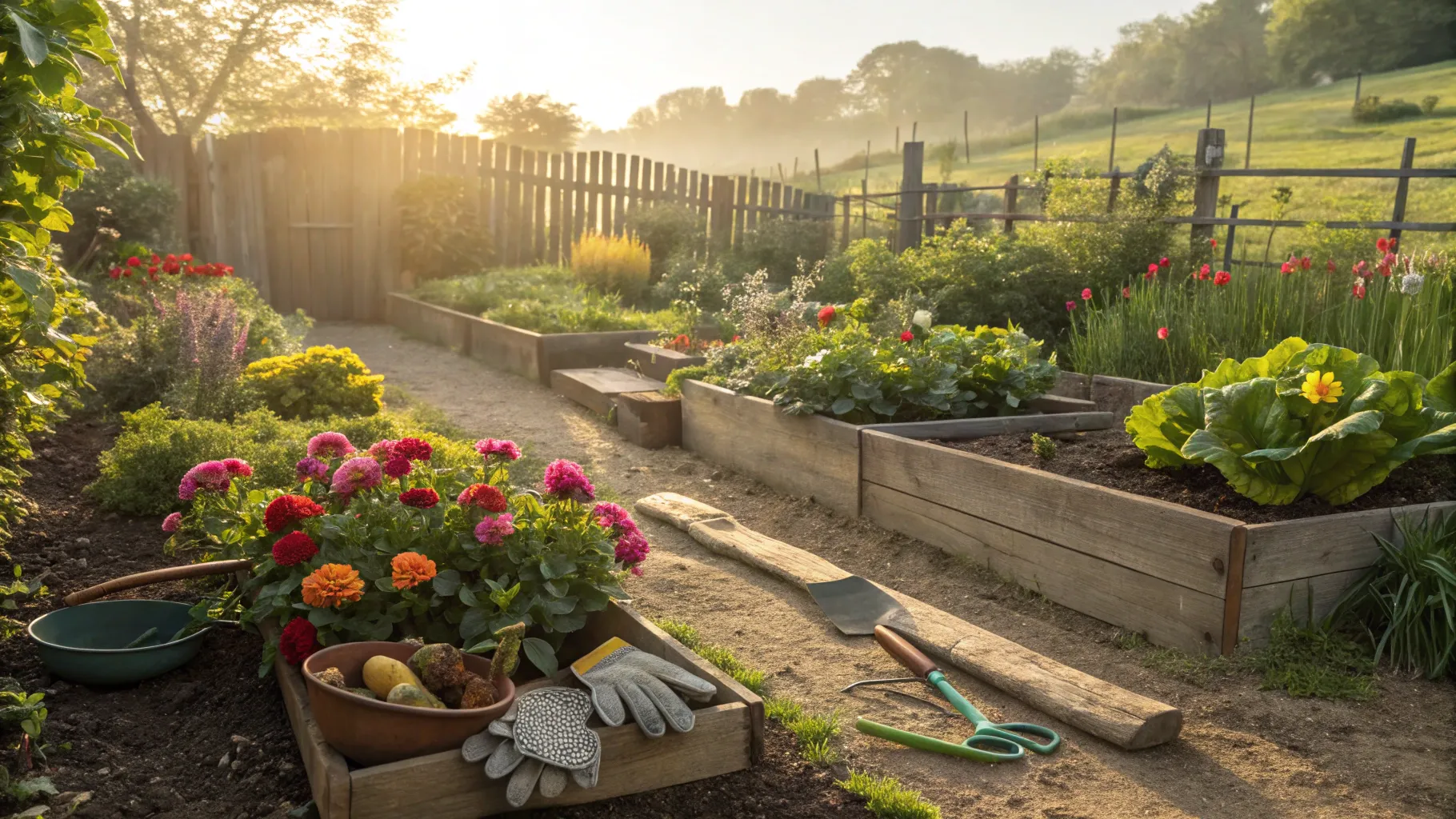
- Gardening: One of the most beloved hobbies, gardening allows retirees to engage with the outdoors. Not only does it promote physical activity and improve mood, but studies indicate that gardening can reduce stress hormones by up to 30%. Whether nurturing a flower garden or growing your own vegetables, this leisurely pursuit provides joy and a sense of accomplishment.
- Painting or Drawing: Arts and crafts are particularly therapeutic. Guidelines from the American Art Therapy Association highlight that visual art activities stimulate creativity and reduce anxiety. Whether you're attending a local class or following online tutorials, painting or drawing opens a realm of self-expression.
- Walking Groups: Regular walking is a fantastic way to boost physical fitness while enjoying the company of others. In recent months, community centers have begun to host more walking groups, which are proven to enhance social engagement and improve cardiovascular health, particularly among seniors. Spending just 30 minutes each day walking can elevate your mood and overall health.
- Photography: Capturing life’s moments can not only be fun but also invigorating. Many retirees take up photography as a way to document their travels, or family gatherings. Joining a photography club can help you sharpen your skills while engaging with a community that shares your passion.
- Knitting or Crocheting: Timeless hobbies like knitting and crocheting have surged in popularity in recent years. They offer calming benefits and a sense of achievement. From cozy scarves to intricate blankets, crafting from yarn can produce beautiful, handmade treasures. Plus, it's a great way to bond with family as you pass down skills to younger generations.
- Cooking or Baking: Rediscovering the kitchen can ignite a passion for food that is both enjoyable and health-conscious. According to a recent survey by the Elderly Culinary Institute, 75% of seniors who cook at home regularly report better diets. Community cooking classes are a wonderful way to meet new people while learning about nutrition and culinary techniques.
- Volunteering: What better way to feel connected than by giving back to your community? Volunteering not only enriches the lives of others but also provides a sense of purpose. Whether assisting at local shelters, tutoring children, or participating in environmental cleanups, volunteering can improve mental well-being and provide valuable social interactions.
- Playing Board Games: Board games offer both entertainment and cognitive engagement. With many seniors now embracing game nights in community centers, these activities foster connection and laughter, enhancing relationships. Games like Scrabble, chess, and card games stimulate the mind while offering a fun way to socialize.
- Writing or Blogging: Writing can be a therapeutic outlet for many retirees. Journaling your daily experiences, composing poetry, or starting a blog on a personal passion not only enhances creativity but can also engage an audience online. In fact, many retirees have turned their writing into fulfilling side projects, sharing their life stories, recipes, or travel experiences.
- Learning a New Language: Embracing a new language is not only a fun challenge but also enhances cognitive functions. Online courses and local language classes make this pursuit accessible to many seniors. Learning a new language has the added benefit of opening doors to new cultures and travel opportunities, keeping the excitement of discovery alive.
Steps to Embark on a New Hobby
Starting a new hobby can feel intimidating, but it can also be one of the most rewarding experiences. Here are some practical steps to guide you on this journey:
- Choose Something You Love: Think about what truly excites you. Picking a hobby that resonates with your interests will keep you engaged and motivated to dive deeper.
- Take a Class: Many community centers and online platforms offer courses tailored for seniors. Joining a class not only provides structure but also introduces you to fellow hobbyists who are equally enthusiastic.
- Connect with Others: Seek clubs or groups that focus on your newfound hobby. Social interaction with like-minded individuals creates a supportive environment enriching your experience.
- Start Small: There’s no need to launch into complex projects right away. Begin with simple tasks; as you gain confidence, you can tackle more intricate endeavors.
- Set Goals: Establish personal goals to track your progress. Achieving these small milestones can boost your motivation and make the journey more fulfilling.
- Embrace Mistakes: Mistakes are part of the learning process, so welcome them! Viewing setbacks as learning opportunities encourages growth and resilience.
In engaging in these hobbies, retirees can dramatically enhance their quality of life. These activities not only provide avenues for enjoyment and fulfillment but also foster vital connections with others, keeping both the mind and body active. Whether you’re picking up a new passion or revisiting an old interest, the world of hobbies is vast and welcoming. So why not dive in, explore, and discover the joy of new experiences every day? Find what resonates with you and indulge in the joy that can come with each new discovery.