Top Bathroom Mold Prevention Methods for a Healthy Home
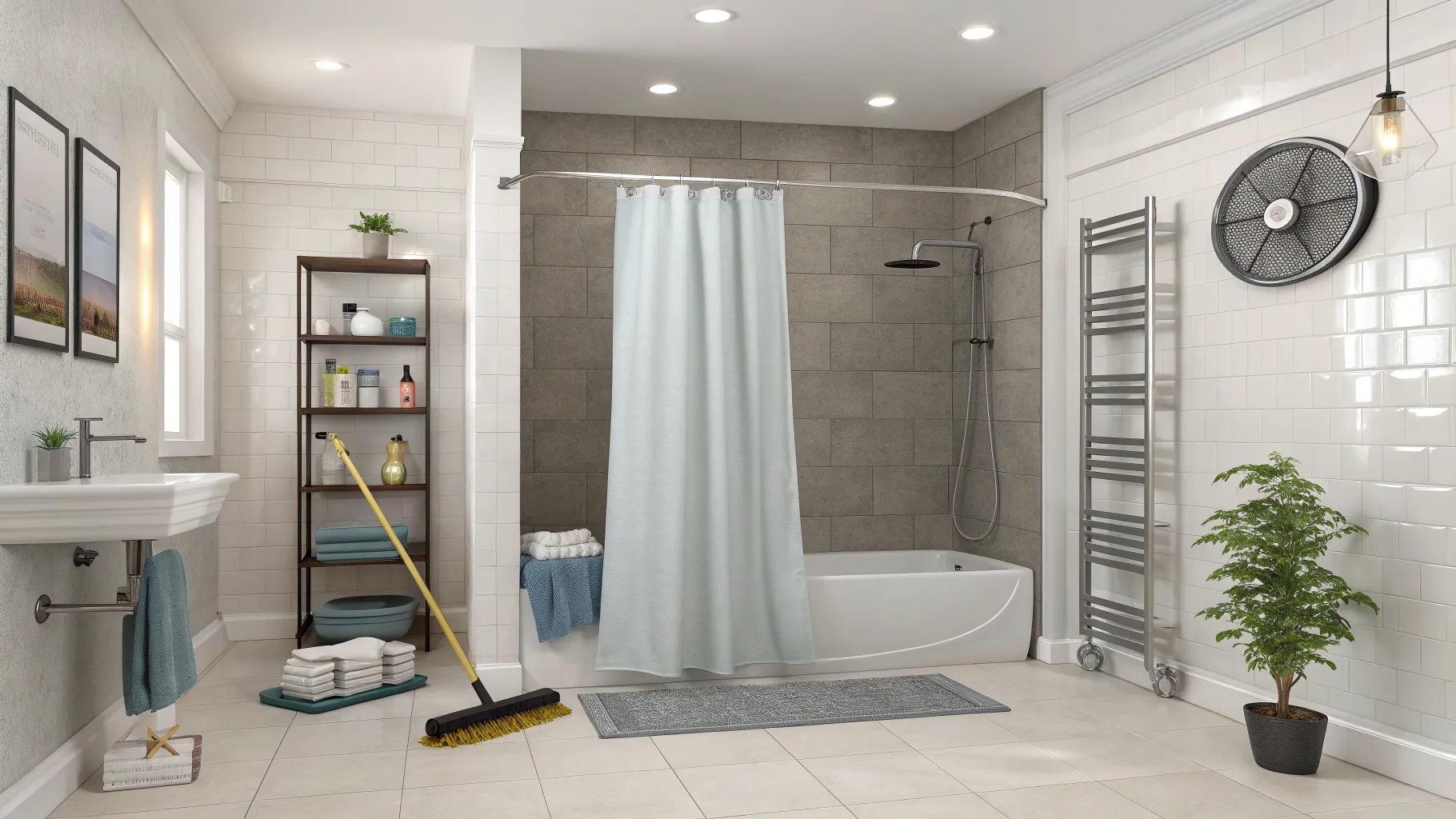
Effective Bathroom Mold Prevention Methods in 2025
As we find ourselves in 2025, many homeowners are still grappling with the issues related to mold in their bathrooms. Statistics show that nearly 50% of homeowners face mold issues at some point in their lives, making it a pervasive concern. Mold not only affects the aesthetic appeal of your bathroom but can also pose significant health risks. Therefore, implementing effective bathroom mold prevention methods is critical for maintaining a healthy living environment.
Bathrooms tend to be damp and humid, creating an ideal breeding ground for mold. To combat this, understanding innovative moisture control strategies is key. Here, we will explore practical, easy-to-implement solutions to help keep mold at bay, ensuring that your bathroom remains a clean and inviting space.
Moisture Control Ideas for Bathrooms
- Regular Cleaning: A consistent cleaning schedule is essential for controlling mold growth. Make it a habit to scrub tiles, grout, and shower curtains regularly using mold-repellent cleaners. Eco-friendly options such as vinegar or baking soda not only cut down on toxic chemicals but also help remove mold effectively, keeping surfaces pristine.
- Seal Grout and Caulking: Grout and caulking can degrade over time, allowing moisture to seep underneath. To reduce the risk of mold growth, apply a waterproof sealant to your grout at least once a year. This straightforward maintenance can greatly diminish moisture infiltration.
- Use a Squeegee: After every shower, take just a minute to use a squeegee on the walls and doors of your shower. This small action significantly reduces moisture and decreases the risk of mold forming in your bathroom.
By incorporating these cleaning practices into your routine, you can transform your bathroom into a mold-resistant environment, enhancing not only cleanliness but also the overall atmosphere.
Mold Reduction Practices in Bathrooms
Beyond regular cleaning, there are several ongoing strategies that can further help reduce the likelihood of mold in your bathroom. These practices can lead to a noticeable decrease in moisture, ensuring your bathroom stays healthy.
- Bathroom Ventilation: Never underestimate the importance of proper ventilation. Ensure that your bathroom is equipped with an effective exhaust fan, and run this fan for at least 30 minutes after bathing. Effective ventilation can reduce mold occurrences by approximately 30%, according to research conducted in 2025. It’s a small price to pay for a mold-free environment.
- Temperature Control: Maintaining a stable temperature in your bathroom contributes to lower humidity levels. Excessive heat can lead to condensation, creating a perfect habitat for mold. Aim for a cool yet comfortable temperature, particularly in colder months, to help manage moisture effectively.
- Bathtub and Shower Upkeep: Regular checks of your bathtub and shower areas are crucial. Always ensure the bathtub drain is clean and dry. Consider investing in mold-resistant shower curtains or glass doors that are easier to maintain than standard plastic curtains.
Homes that feature effective bathroom ventilation consistently report lower mold-related issues. If your bathroom setup lacks a reliable exhaust system, consider making this investment; it’s financially sound and health-wise beneficial.
Preventing Mold in Shower Areas
The shower area is frequently a hotbed for high moisture levels, necessitating targeted approaches to mold prevention.
- Daily Ventilation: Make it a habit to open windows or operate the exhaust fan during and after showers. Allowing steam to escape quickly minimizes moisture accumulation, significantly lowering the risk of mold growth.
- Optimal Cleaning Products: Your choice of cleaning supplies is vital. Select cleaners that explicitly state they prevent mold and mildew so you can add an additional layer of protection against future infestations.
- Water-Repellant Paint: If you're considering a bathroom renovation, choose water-repellent paint. This smart choice keeps moisture from penetrating the walls and significantly reduces the risk of mold growth.
By focusing specifically on shower care and cleanliness, you can successfully combat the emergence of mold in these vulnerable areas.
Comprehensive Bathing Habits to Reduce Mold
Your bathing habits can significantly influence the moisture levels within your bathroom, consequently affecting mold growth.
- Choose Showers Over Baths: Showers generally use less water than baths, which helps prevent stagnant water in the bathroom. Whenever possible, opt for showers instead to mitigate excess moisture.
- Invest in a Dehumidifier: If your bathroom tends to trap high humidity levels, consider placing a portable dehumidifier. These appliances are effective at reducing humidity levels below 50%, a crucial measure in preventing mold.
Implementing these changes to your bathing practices can drastically lower the chances of mold presence. Remember that even minor adjustments in your habits can lead to significant results over time.
Ultimately, preventing mold in your bathroom involves more than just a one-time cleaning event; it’s a consistent approach to maintenance and care. Whether through establishing effective cleaning routines or ensuring proper ventilation, achieving a healthy bathroom environment is entirely possible. By integrating these bathroom ventilation and upkeep tips into your daily routines, you’ll transform your bathroom into a mold-free sanctuary, allowing for a fresh and inviting space throughout 2025.