Tunisia All-Inclusive Resorts: What to Expect in 2026
Tunisia has long been a favored destination for sun-seekers, offering a unique blend of Mediterranean beaches, rich history, and vibrant culture. All-inclusive resorts are a popular choice for visitors, providing a hassle-free vacation where meals, drinks, and activities are bundled into one price. As you look ahead to 2026, understanding what these resorts offer can help you plan the perfect getaway, whether you're seeking family fun or a tranquil retreat.
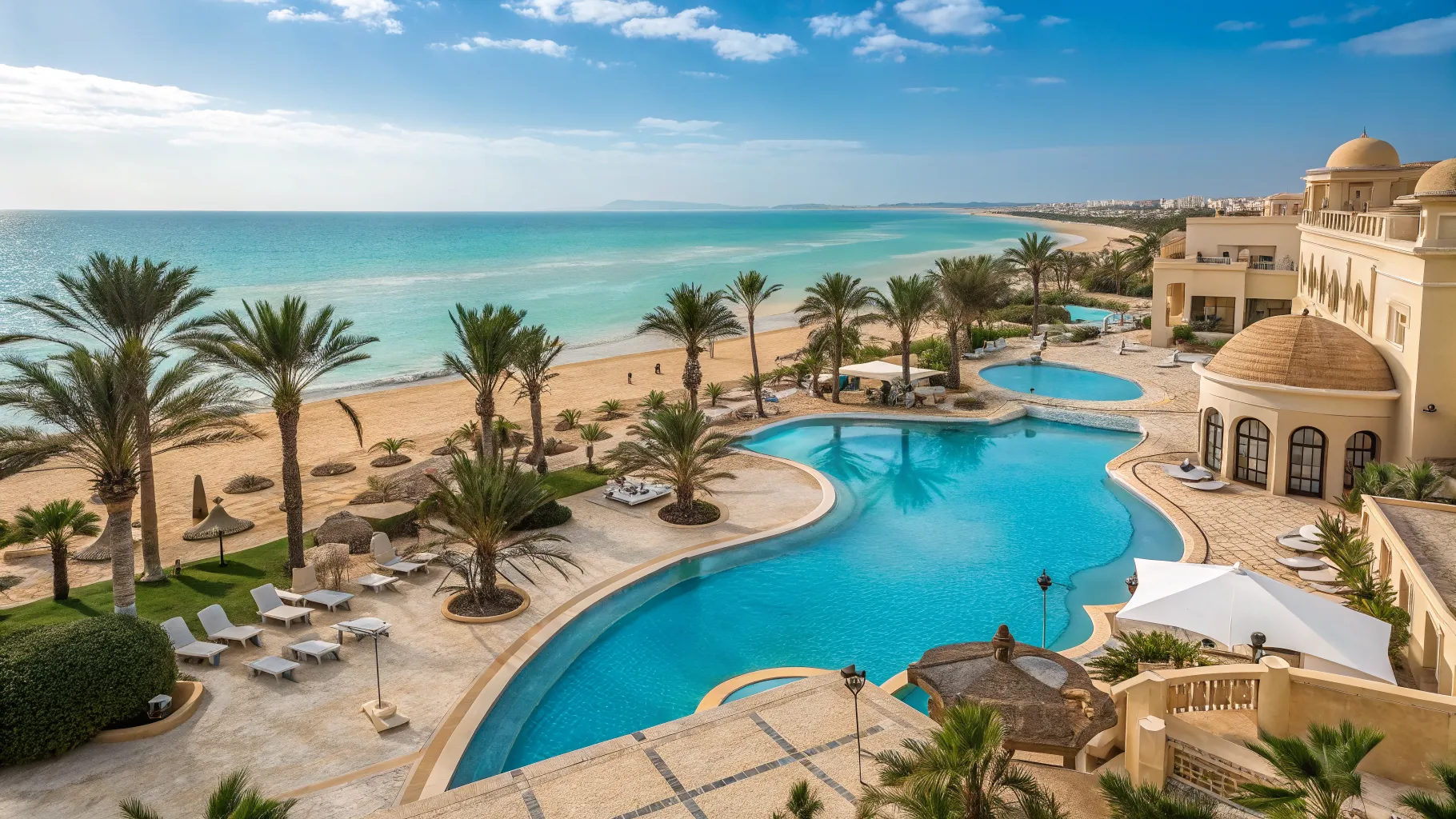
What to Expect from a Tunisian All-Inclusive Stay
An all-inclusive package in Tunisia typically covers your accommodation, three meals a day in buffet-style restaurants, and locally produced alcoholic and soft drinks. Many resorts also offer access to à la carte restaurants, though reservations and supplemental charges may sometimes apply. Beyond dining, these packages usually include a wide range of activities such as access to swimming pools, private beach areas with sun loungers, and various sports like tennis or water polo.
Entertainment is another key component, with most resorts providing daytime activity programs and evening shows. The quality and variety can differ significantly from one resort to another, so it's wise to read recent reviews. While the core offerings are standard, some higher-end resorts may include additional perks like spa access, premium branded drinks, or complimentary water sports.
Popular Coastal Destinations for Resorts
Most of Tunisia's all-inclusive resorts are clustered along its beautiful Mediterranean coastline. Each area offers a slightly different experience, catering to various tastes. Hammamet is one of the most popular tourist towns, known for its sandy beaches and historic medina. Its resorts range from large, family-focused complexes to smaller, more intimate hotels.
Sousse is another major hub, famous for its vibrant nightlife, extensive beaches, and a UNESCO-listed medina. It attracts a diverse crowd, from families to younger travelers. For a more relaxed atmosphere, the island of Djerba is an excellent choice, offering pristine beaches and a unique cultural heritage. The Skanes area, near Monastir, is also well-regarded for its modern, purpose-built resorts that line a long stretch of golden sand.
Family-Friendly Features to Look For
When traveling with children, certain resort features can make a significant difference. Many Tunisian resorts are well-equipped for families and actively cater to younger guests. Looking for hotels with dedicated kids' clubs is a great start, as they provide supervised activities and a chance for children to socialize while parents relax.
Other essential amenities to consider include:
- Water Parks and Slides: Many larger resorts have their own water parks or at least a few waterslides, which are always a huge hit with kids.
- Family Rooms: Look for resorts that offer spacious family rooms or interconnected rooms for added comfort and privacy.
- Children's Menus: While buffet restaurants offer variety, some resorts go the extra mile with dedicated children's sections featuring kid-friendly food.
- Playgrounds and Pools: A safe, shallow children's pool and a well-maintained playground are often standard but worth confirming.
Amenities for Adults and Couples
For those traveling without children, Tunisia offers numerous resorts focused on relaxation and adult-oriented entertainment. Many establishments have adult-only sections or are designated as entirely adult-only, ensuring a peaceful environment. A key attraction is the thalassotherapy centers and spas, which use seawater-based treatments for wellness and relaxation. These are a staple in many mid-range and luxury Tunisian hotels.
Couples and solo travelers might also look for resorts with gourmet à la carte dining options for a more refined culinary experience. Swim-up bars, serene infinity pools, and private beach cabanas add a touch of luxury to the stay. In the evenings, entertainment often shifts towards live music, cocktail lounges, and beach parties, providing a sophisticated alternative to family-oriented shows.
Exploring Beyond the Resort Gates
While the convenience of an all-inclusive resort is undeniable, Tunisia has a wealth of history and culture worth exploring. Stepping outside the hotel provides a more authentic glimpse into the country. Many resorts have tour desks that can arrange excursions, or you can venture out independently using local taxis.
Popular day trips include visiting the ancient ruins of Carthage near Tunis, marveling at the colossal Roman amphitheater at El Djem, or exploring the traditional markets (souks) in cities like Sousse or Hammamet. Tasting local food at a small restaurant is also a must. Trying dishes like couscous, brik (a crispy stuffed pastry), and freshly grilled seafood offers a delicious break from the resort buffet.
Planning and Booking Your 2026 Trip
To get the most out of your Tunisian holiday, a bit of forward planning is beneficial. The best times to visit are during the shoulder seasons of spring (April to June) and autumn (September to October). During these months, the weather is pleasantly warm without the intense heat of July and August, and popular sites are less crowded. Booking flights and accommodation several months in advance for a 2026 trip can often lead to better prices.
When selecting a resort, pay close attention to recent traveler photos and reviews from the last year. This will give you the most current insight into the state of the facilities, food quality, and service standards. Also, check the specific details of the all-inclusive package to understand exactly what is covered and avoid any unexpected extra costs upon arrival.