Understanding All-Inclusive Hotels and Resorts in Turkey
Turkey has become one of the most popular destinations globally for all-inclusive resort vacations. Situated at the crossroads of Europe and Asia, the country offers a unique blend of historical richness and extensive coastal developments designed for relaxation. Visitors flock to the Turkish Riviera and the Aegean coast to experience comprehensive hospitality packages that bundle accommodation, dining, and entertainment into a single stay.
What to Expect from a Turkish All-Inclusive Resort
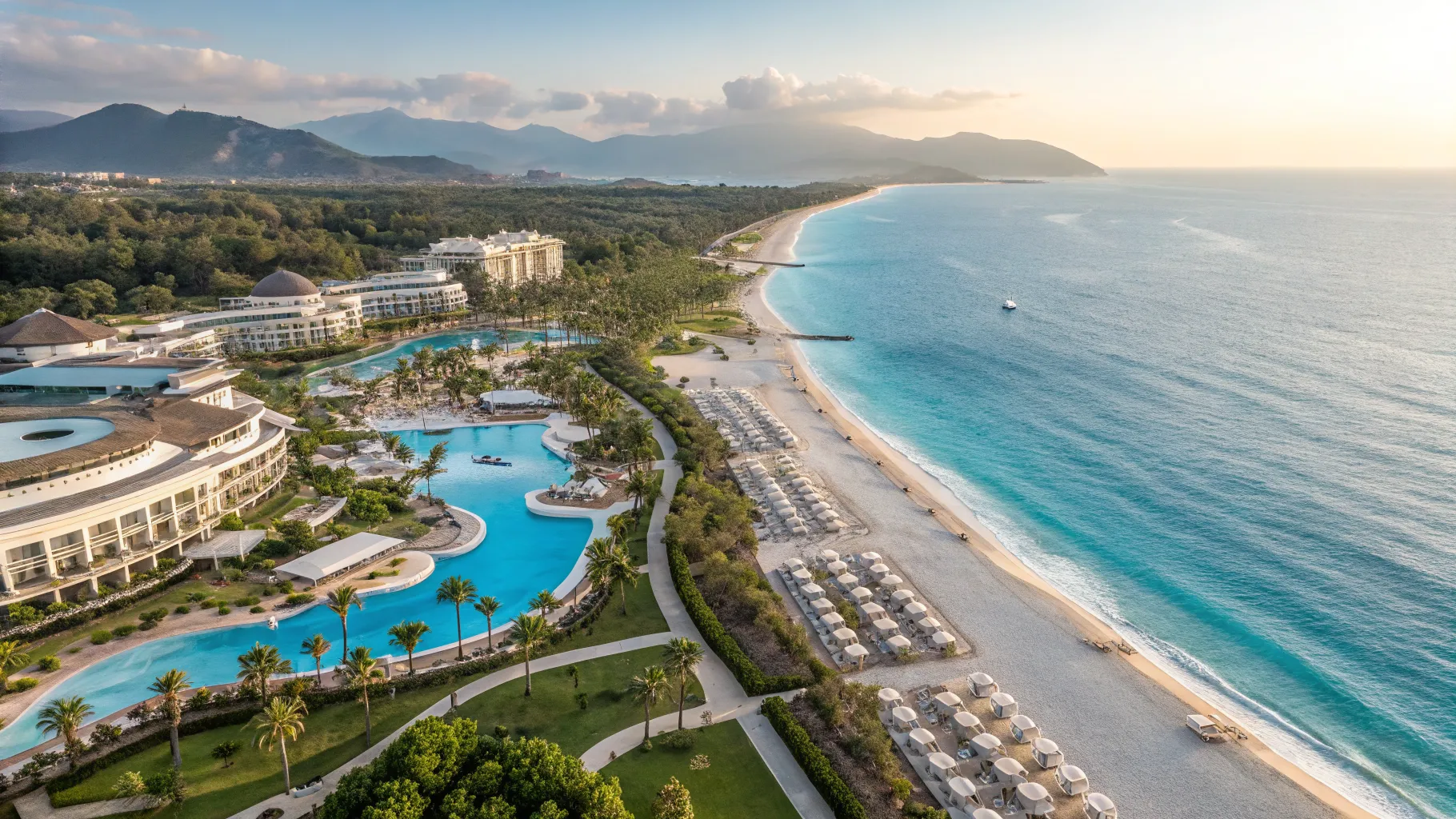
When booking an all-inclusive stay in Turkey, travelers generally receive a package that covers their room, three main meals a day, and a selection of local beverages. The scale of these properties is often vast, featuring multiple swimming pools, private beach access, and extensive landscaped gardens. Many resorts are designed to function like small villages, ensuring guests have little reason to leave the premises if they prefer a strictly relaxing holiday.
Beyond the basics, these resorts typically offer a structured schedule of daily activities. Guests might find aqua aerobics in the morning, beach volleyball in the afternoon, and live stage performances in the evening. The level of luxury and the sheer number of facilities will vary significantly depending on the official star rating and the specific brand of the hotel.
The Difference Between Standard and Ultra All-Inclusive
A crucial distinction to understand when researching Turkish resorts is the difference between standard all-inclusive and ultra all-inclusive packages. A standard package usually includes buffet-style meals at designated times, local alcoholic and non-alcoholic drinks, and basic snacks. Drinks ordered late at night or premium imported liquors often incur an additional charge.
Ultra all-inclusive, on the other hand, expands this offering considerably. These packages often provide 24-hour food and beverage service, meaning guests can grab a meal or a drink at any time of day or night. Furthermore, ultra packages frequently include imported international alcohol brands, daily restocked minibars in the guest rooms, and sometimes complimentary access to specialized a la carte restaurants on the property.
Popular Regions for Resort Vacations in Turkey
The majority of all-inclusive resorts in Turkey are concentrated along its southern and western coastlines. These areas offer different atmospheres, geographical features, and climate variations that appeal to different types of travelers. Understanding the geography can help visitors choose the right location for their specific preferences.
- Antalya: Often referred to as the capital of the Turkish Riviera, this region boasts large luxurious resorts, sandy beaches, and proximity to historical ruins.
- Bodrum: Located on the Aegean Sea, Bodrum features a more boutique feel with resorts nestled into hillsides, offering stunning sunset views and a slightly cooler summer climate.
- Fethiye and Oludeniz: Known for the famous Blue Lagoon, this area tends to attract nature lovers and those interested in paragliding or boating, with resorts blending into the pine forests.
- Marmaris: A bustling port town surrounded by mountains, popular for its vibrant nightlife and family-friendly resort villages.
Dining Experiences and Culinary Offerings
Food is a major focal point of the Turkish all-inclusive experience. The main dining format is typically a sprawling buffet, which serves breakfast, lunch, and dinner. These buffets are known for their immense variety, featuring everything from traditional Turkish meze, grilled meats, and fresh salads to international staples like pasta and pizza. Freshly baked bread, local cheeses, and an extensive dessert section highlighting baklava and Turkish delight are standard features.
In addition to the main buffet, most large resorts offer several a la carte restaurants. These specialized dining venues might focus on Italian, Asian, seafood, or traditional Ottoman cuisine. Guests usually need to make reservations in advance, and depending on the hotel policy, dining at these restaurants may be included once per stay or require a separate cover charge. Snack bars near the pools and beaches also provide casual daytime bites like flatbreads, burgers, and ice cream.
Amenities and Entertainment for Families
Turkey is highly regarded for its family-friendly resort infrastructure. Hotels in this category invest heavily in facilities designed to keep children of all ages occupied. Dedicated kids clubs are standard, offering supervised arts and crafts, games, and sports activities. Many resorts also feature impressive on-site water parks with multiple slides, wave pools, and splash zones specifically for toddlers.
In the evenings, the entertainment continues with mini-discos for younger guests, followed by professional shows for the whole family. Teenagers are not left out, as many properties provide teen clubs with video game consoles, DJ workshops, and sports tournaments. This comprehensive approach to family entertainment allows parents to enjoy some independent relaxation time while knowing their children are safely engaged.
Adult-Only Resorts and Quiet Zones
While family resorts dominate the market, there is a growing segment of adult-only all-inclusive hotels in Turkey. These properties cater to couples, honeymooners, and groups of friends seeking a more tranquil environment without the noise and energy of young children. Adult-only resorts often focus heavily on wellness, offering expansive spa facilities, yoga pavilions, and sophisticated lounge areas.
For those who book a family resort but still desire some peace, many large properties have introduced designated quiet zones. These might include an adult-only swimming pool, a separate secluded section of the beach, or specific bars and restaurants where children are not permitted. This hybrid model provides a balanced vacation experience for multi-generational travel groups or parents traveling with older children.
Best Times of Year to Visit
The timing of a trip to a Turkish resort greatly impacts the experience, the weather, and the overall atmosphere. The coastal regions experience a Mediterranean climate, meaning summers are hot and dry while winters are mild and wet. Most resorts operate on a seasonal basis, opening in April and closing by the end of October.
- High Season (June to August): This is the busiest and hottest time to visit. Temperatures frequently exceed 30 degrees Celsius, all facilities are fully operational, and the entertainment schedules are at their peak.
- Shoulder Season (May and September): Many travelers consider this the optimal time to visit. The weather is warm enough for swimming, but the intense heat and heavy crowds of mid-summer are absent.
- Low Season (April and October): During these months, the weather can be unpredictable, and some outdoor resort facilities or water parks may not be open. However, this period offers a quieter, more relaxed atmosphere.