Understanding Sciatica Pain and Lower Back Pain Symptoms
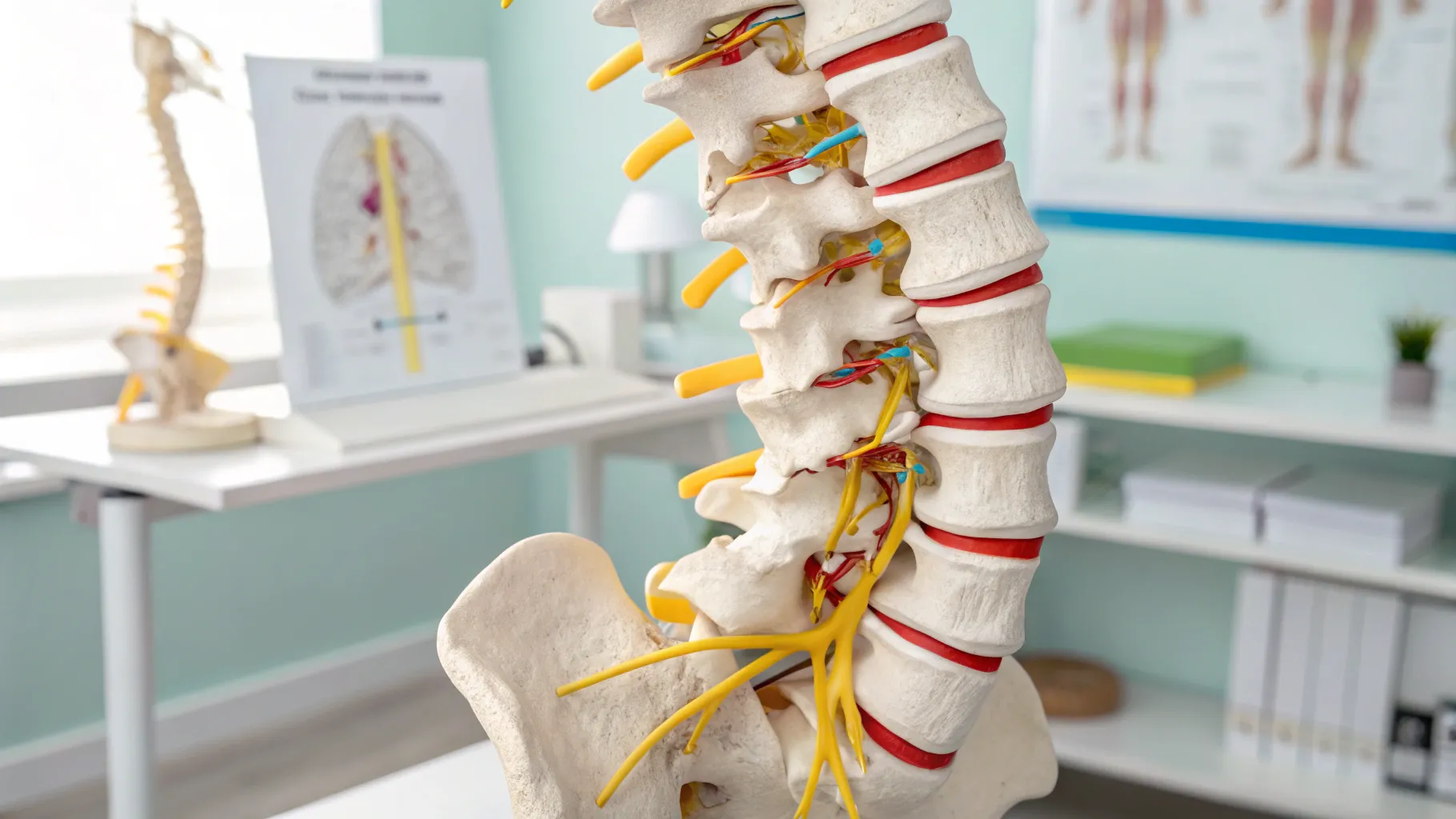
Sciatica Pain Explained Understanding the Causes
Sciatica is a term commonly used to describe a specific type of pain that runs along the path of the sciatic nerve. This nerve, which starts from the lower back, extends through the hips and buttocks, traveling down each leg. It's crucial to recognize that sciatica is more than just back pain; it includes various symptoms that can interfere with daily life significantly. Recent studies reveal that approximately 40% of people experience sciatica pain at some point, highlighting how prevalent this condition is in our society.
Identifying Lower Back Pain Symptoms and the Sciatic Nerve
Grasping the various symptoms of lower back pain is essential for understanding sciatica. Common symptoms include:
- Sharp pain in the lower back that can be debilitating
- Leg pain that feels akin to an electric shock or jolt
- Numbness or tingling that may occur in the leg
- Weakness affecting movement in the affected leg
This nerve compression pain often stems from a herniated disk in the lumbar spine. Many cases involve herniations at the L4 and L5 vertebrae. Thanks to advanced imaging technologies available now, doctors can accurately diagnose these herniations, which accelerates treatment methods.
The Importance of Lumbar Spine Health
The lumbar spine consists of five vertebrae that bear the upper body's weight and allow for various movements. However, it is also susceptible to injury and degeneration over time. Recent data indicates that conditions like lumbar spinal stenosis and disc degeneration play significant roles in contributing to nerve compression pain. Without a doubt, keeping your lumbar spine healthy is vital in preventing sciatica symptoms.
How Nerve Compression Leads to Leg Pain
Leg pain associated with sciatica often arises from pressure on the sciatic nerve, which can occur for various reasons, such as:
- Herniated discs that protrude and press on nerve roots
- Bone spurs that form as the body attempts to stabilize regions of the spine
- Spinal stenosis narrowing the spinal canal and compressing nerves
- Piriformis syndrome, a condition characterized by the piriformis muscle becoming tight or spasming
These conditions can generate pain that begins in the lower back and radiates down to the legs. Patients often describe this sensation as burning or shooting pain, which can make walking or sitting for extended periods uncomfortable. New case studies showcase that chronic pain stemming from these causes can lead to lifestyle restrictions, affecting overall quality of life.
Modern Treatment Approaches for Sciatica
In 2025, a myriad of treatment options are available for those grappling with sciatica. Here’s how these approaches are evolving:
Physical Therapy Innovations
Physical therapy remains a cornerstone of sciatica management. Therapeutic exercises can bolster the muscles surrounding the spine, enhance posture, and provide relief for pressure on the sciatic nerve. Recent trends show a tailored approach to exercise is increasingly effective, aiding around 75% of patients in experiencing pain relief within six months. This customized method focuses on individual needs, making the recovery process more efficient.
Medication Guidance
Over-the-counter pain relievers, particularly nonsteroidal anti-inflammatory drugs (NSAIDs), are commonly used to manage symptoms. For more severe pain instances, healthcare providers may prescribe corticosteroids or stronger medication to alleviate inflammation surrounding the affected nerve. Following medical advice is crucial to mitigate the risk of dependency and possible side effects.
Alternative Therapies on the Rise
Alongside conventional treatments, many individuals are finding relief through alternative therapies. Options such as acupuncture and chiropractic care are becoming more popular, with approximately 60% of patients reporting substantial improvement. Integrating mindfulness and relaxation techniques into treatment plans can also help manage chronic pain more holistically.
Considering Surgical Options
In situations where conservative treatments fail to provide relief, surgical interventions might be necessary. Procedures targeting the underlying issues—especially when patients face debilitating pain or leg weakness—have benefited from advancements in techniques that improve safety and effectiveness. For example, minimally invasive approaches allow doctors to relieve nerve compression more efficiently than traditional methods, often resulting in shorter recovery periods.
Effective Preventive Measures for Spine Health
Preventing sciatica is just as important as treating it. Here are some effective strategies taking hold in 2025:
- Engaging in Regular Exercise: Low-impact activities such as walking, swimming, or cycling are excellent for spinal health, providing muscle strengthening benefits.
- Maintaining Proper Posture: Good posture while sitting and standing is vital in preventing lower back pain, especially for those with desk jobs.
- Incorporating Stretching: Regular stretching, focusing on the lower back and lower limbs, enhances flexibility while reducing tension.
- Optimizing Ergonomics: Creating an ergonomic workspace is crucial for those who work at computers to help prevent back pain from developing.
With growing awareness, more patients are exploring multidisciplinary approaches that seamlessly combine medical intervention, physical therapy, and lifestyle changes to effectively manage and prevent sciatica as well as other forms of back pain.
In summary, sciatica and lower back pain pose significant challenges, but recognizing their causes and prioritizing proactive treatment opens doors to effective management. Staying aware and engaged with healthcare professionals can help individuals navigate the painful episodes linked with this common, yet often debilitating, condition.