Understanding Skin Pigmentation Disorders and Remedies
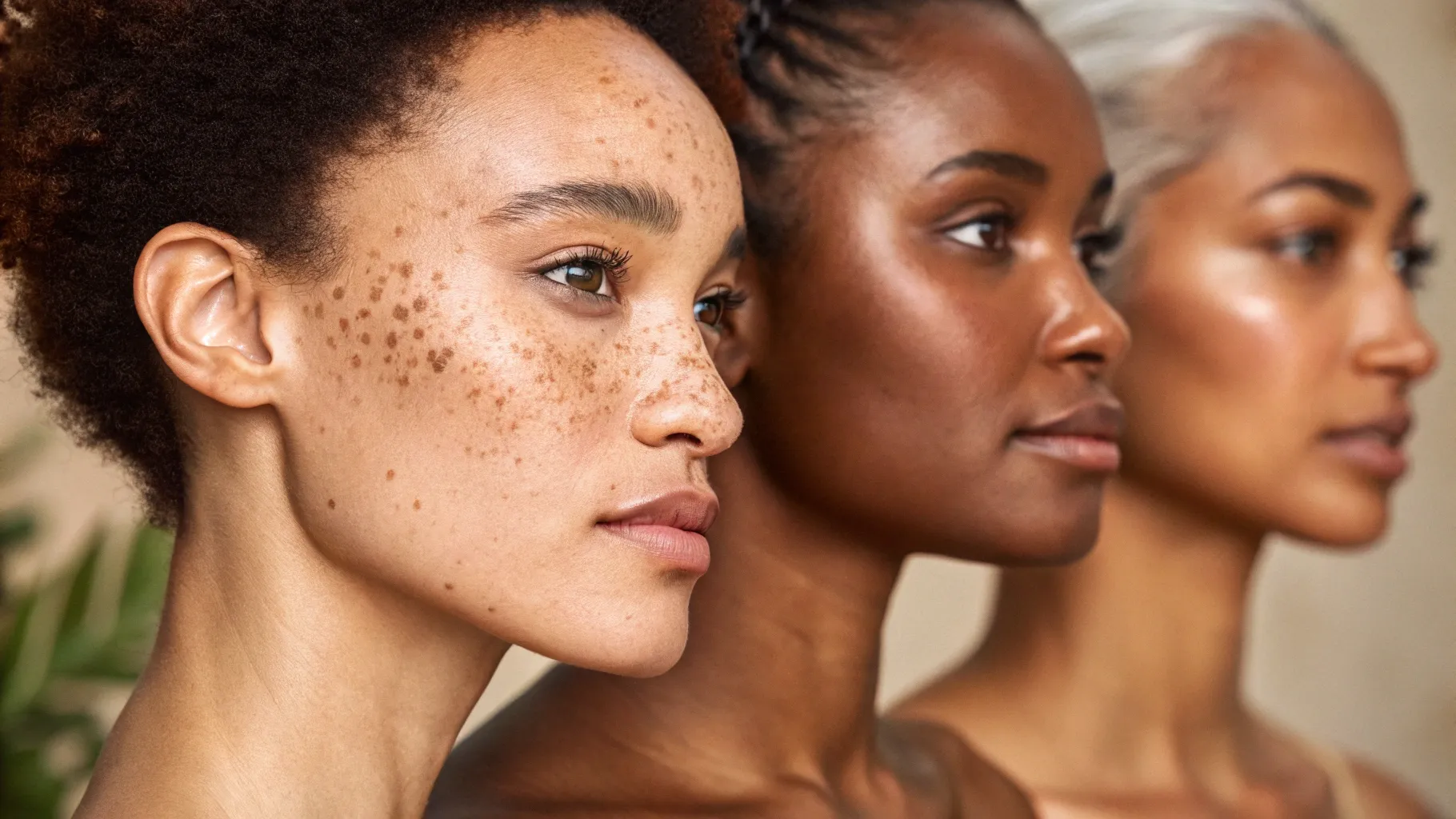
Understanding Skin Pigmentation Disorders in Depth
Skin pigmentation disorders are a growing concern for many individuals, influencing not only how we perceive ourselves but also how others see us. In 2025, there is a heightened awareness surrounding these conditions, with more people eager to learn about their causes and the best ways to manage them. From the emergence of dark spots to the intricate details surrounding melasma symptoms, understanding skin pigmentation has become crucial for positive self-image.
Hyperpigmentation Causes Explored
Hyperpigmentation is the term used to describe patches of skin that become darker than the surrounding area. This phenomenon can be triggered by various factors, including increased sun exposure, hormonal fluctuations, and even skin injuries. Research indicates that up to 80% of visible cases of hyperpigmentation derive from sun damage. When ultraviolet rays penetrate the skin, they stimulate melanin production—the pigment that gives skin its color.
Recent findings published in the Dermato-Endocrinology Journal highlight that lifestyle choices play a significant role in hyperpigmentation. Those living in urban areas often experience higher stress levels, which can worsen skin issues. Individuals in polluted environments are also at an increased risk. Here are some leading causes of hyperpigmentation today:
- Excessive Sun Exposure: Continuous exposure to sunlight causes the skin to produce excess melanin.
- Hormonal Changes: Fluctuations during pregnancy or from birth control can lead to specific forms of hyperpigmentation, like melasma.
- Post-inflammatory Hyperpigmentation: After skin trauma or acne, dark marks can remain as the skin heals.
By recognizing these hyperpigmentation causes, individuals can take proactive measures for prevention. One effective strategy is the regular application of a broad-spectrum sunscreen, which can significantly mitigate the harmful effects of UV rays on skin health.
Dark Spots: Triggers and Prevention
Known colloquially as age spots or liver spots, dark spots are a frequent concern, particularly for those over the age of 50. Studies suggest that around 90% of this demographic will encounter dark spots at some point, underscoring the importance of education and preventive measures. Typically, these spots form on regions exposed to the sun, such as the face, hands, and shoulders.
While aging is a primary factor, other contributors to dark spots include:
- Lifestyle Choices: Activities like smoking and excessive alcohol consumption can exacerbate skin damage, leading to dark spot formation.
- Medications: Certain drugs can increase skin sensitivity to sunlight, creating a risk of developing these unwanted patches.
- Skin Type: People with darker skin produce more melanin in response to injury, raising their chances of dark spots post-healing.
Being cognizant of these influences is crucial for prevention. Regular dermatologist check-ups can assist in early detection and management of pigmentation disorders, providing pathways to treatments that enhance skin health.
Delving into Melasma Symptoms
Melasma is a specific form of hyperpigmentation, typically appearing as symmetrical brown or gray-brown patches, especially prominent on the face. Notably, it impacts around 6 million women in the United States alone, significantly affecting their quality of life and mental well-being. Although melasma predominantly thrives among women, men can also be affected, making awareness essential for all.
The most common symptoms of melasma include:
- Symmetrical Patches: These patches are generally identical in appearance and often found on the cheeks, forehead, and nose.
- Increased Visibility in Sunlight: Individuals often find that the condition worsens when exposed to sun, emphasizing the importance of sun protection for management.
- Hormonal Fluctuations: Many notice melasma onset or worsening during pregnancy or while using oral contraceptives.
Management of melasma typically requires a comprehensive approach. This includes diligent sun protection practices, topical treatments, and occasionally more intensive procedures like chemical peels or laser therapy. Recent advancements in dermatology have introduced innovative solutions that effectively reduce the visibility of melasma patches.
Addressing Uneven Skin Tone Concerns
Many individuals also experience uneven skin tone, which can manifest in many forms beyond simple hyperpigmentation. Redness from issues like rosacea or acne-related inflammation are examples of uneven skin tone challenges faced today. In a survey conducted earlier this year, nearly 70% of respondents voiced concerns about their skin tone, signaling an increasing demand for effective solutions.
Underlying causes of uneven skin tone might include:
- Genetics: Passed down traits can lead to natural variations in skin tone, resulting in an uneven appearance over time.
- Sun Exposure: Just as with dark spots, prolonged sun contact can trigger skin tone irregularities.
- Skincare Practices: The use of specific products, especially those not intended for one's skin type, can either help or worsen uneven tone issues.
To combat uneven skin tone, dermatologists frequently recommend personalized skincare regimens that incorporate gentle exfoliators, brightening serums, and hydrating moisturizers. Such tailored strategies increasingly yield results, enabling individuals to achieve a more balanced and radiant complexion.
As we navigate the complexities of skin pigmentation disorders in 2025, becoming educated about conditions such as dark spots, melasma symptoms, and uneven skin tone issues remains crucial. With knowledge on hand, individuals can take actionable steps toward healthier, more confident skin. Understanding the root causes allows for better management and empowers people to embrace their natural beauty.