Understanding the Pace of Bladder Cancer Progression and Stages
Facts:
- Bladder cancer is the sixth most common cancer in the US.
- Early detection significantly improves prognosis for patients.
How Quickly Does Bladder Cancer Develop and Spread?
Understanding the rate of cancer progression for bladder cancer is a primary concern for patients and their families. The pace at which this disease develops is not uniform; it is heavily influenced by specific characteristics of the tumor, most notably its stage and grade. Differentiating between the types is crucial for determining a prognosis and treatment plan. Key factors include the initial bladder cancer stages and whether the cancer has invaded the muscular wall of the bladder, which marks a significant point in its potential to spread to other parts of the body. A thorough diagnosis is the first step in mapping out the potential timeline and aggressiveness of the disease.
The Critical Role of Tumor Grade in Progression Speed
One of the most significant predictors of bladder cancer progression is the tumor grade. Pathologists assign a grade to cancer cells based on how they look under a microscope compared to normal bladder cells. A low-grade tumor grade signifies that the cancer cells are well-differentiated, meaning they look very similar to normal cells, tend to grow slowly, and are less likely to invade the bladder wall. In contrast, a high-grade tumor grade means the cells are poorly differentiated or undifferentiated. These cells appear highly abnormal, grow and divide rapidly, and have a much higher risk of invading deeper layers of the bladder and spreading to other organs. High-grade tumors are considered more aggressive and require immediate and often more intensive treatment to manage their rapid cancer progression.
Understanding Bladder Cancer Stages and Their Impact
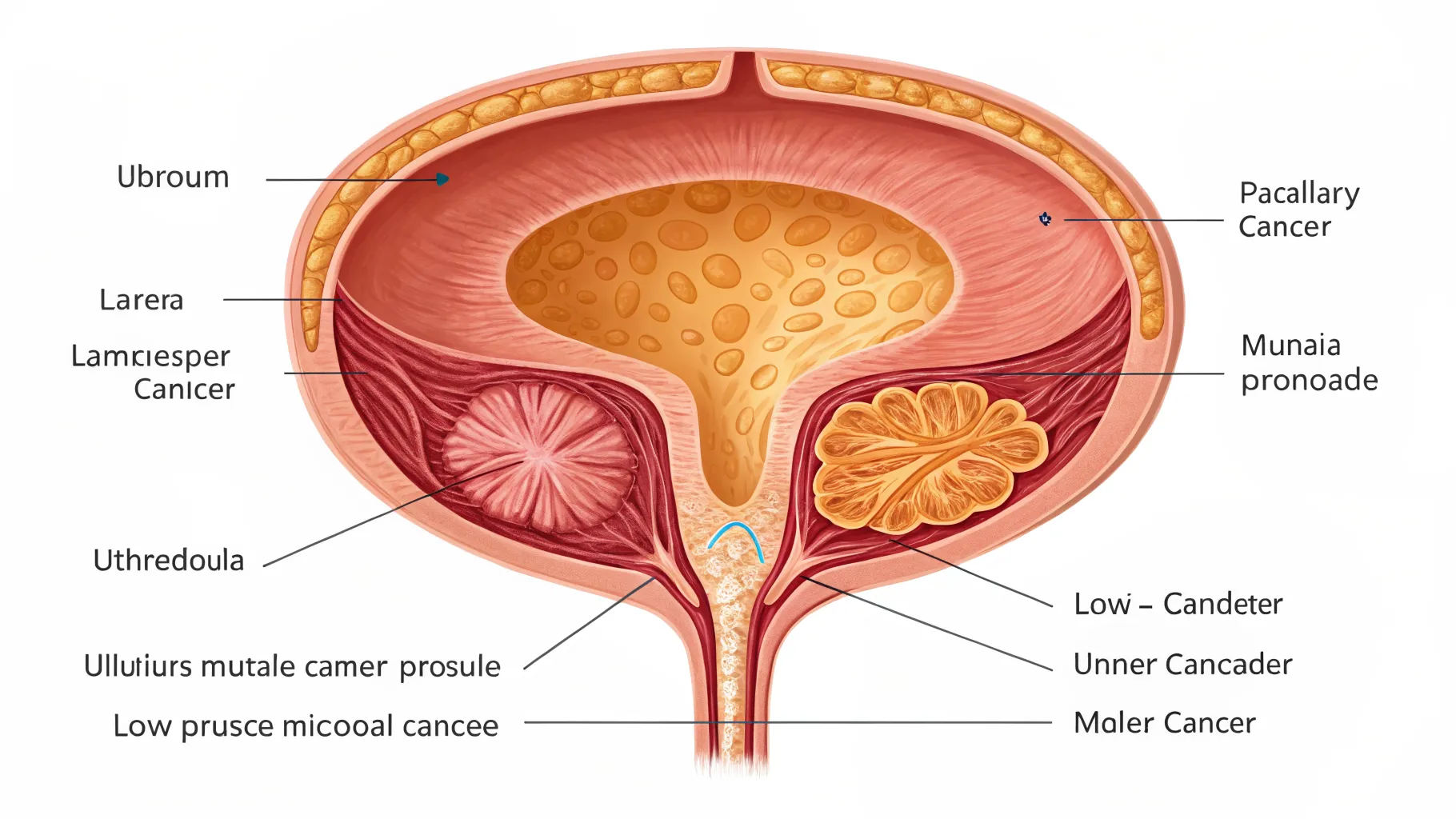
The stage of bladder cancer describes how far it has grown into the bladder wall and whether it has spread. The bladder cancer stages are fundamental to understanding the pace of progression. The earliest stages are classified as non-muscle invasive bladder cancer (NMIBC). This category includes Stage 0a (papillary carcinoma, Ta), where the tumor is only on the innermost lining, and Stage 0is (carcinoma in situ or Tis), a flat, high-grade tumor on the lining. Stage I (T1) tumors have grown into the connective tissue layer beneath the lining but have not reached the muscle layer. While NMIBC has a high recurrence rate, its progression to more dangerous stages is often slower, especially for low-grade tumors. The critical turning point is the development of muscle-invasive bladder cancer (MIBC), which includes Stage II, where the tumor has invaded the thick muscle wall of the bladder. Once cancer reaches this stage, the risk of metastasis (spreading) increases significantly. Stage III and Stage IV cancers have spread beyond the bladder to surrounding tissues or distant parts of the body, representing the most advanced bladder cancer stages and the most rapid cancer progression.
Factors That Influence the Rate of Cancer Progression
Beyond grade and stage, several other factors can influence how quickly bladder cancer progresses. The management and surveillance of the disease depend heavily on these individual risk factors. A comprehensive evaluation helps oncologists predict the biological behavior of the tumor.
Key Influential Factors:
- Tumor Size and Number: Larger tumors or the presence of multiple tumors at the time of initial diagnosis often suggest a more aggressive disease and a higher likelihood of recurrence and progression. Managing multiple tumor sites can be more complex and may indicate a more unstable bladder lining.
- Recurrence History: For patients with non-muscle invasive bladder cancer, the frequency of recurrence is a strong indicator. Tumors that recur quickly after initial treatment, particularly if they return as a higher grade or stage, signal an aggressive underlying biology.
- Presence of Carcinoma in Situ (CIS): CIS (Stage 0is) is a flat, high-grade tumor. Even though it is non-invasive, its presence is a significant risk factor for progression to muscle-invasive bladder cancer. It is considered highly unstable and aggressive.
- Patient's Overall Health and Immune Response: A patient's general health, immune system status, and exposure to risk factors like smoking can also impact the body's ability to fight cancer and influence the overall pace of cancer progression.
Comparing NMIBC vs. MIBC Progression Timelines
The distinction between non-muscle invasive bladder cancer and muscle-invasive bladder cancer creates two very different progression timelines and treatment paradigms. NMIBC is often managed as a chronic condition with a focus on surveillance and preventing recurrence and progression. Patients may undergo regular cystoscopies and intravesical therapy (like BCG or chemotherapy) for years. The primary goal is to prevent the cancer from invading the muscle. The cancer progression can be slow, but the risk remains, necessitating lifelong monitoring. In stark contrast, muscle-invasive bladder cancer is an acute, life-threatening condition that requires aggressive, definitive treatment immediately. The timeline is compressed because once the tumor invades the muscle, it gains access to a rich network of blood vessels and lymphatics, creating a highway for cancer cells to spread throughout the body. Treatment often involves radical cystectomy (bladder removal), chemotherapy, and/or radiation. The pace of progression is rapid, and any delay in treatment can significantly worsen the prognosis.
Frequently Asked Questions
How do bladder cancer stages affect treatment?
The bladder cancer stages are the most critical factor in determining the treatment plan. For non-muscle invasive bladder cancer (Stages 0 and I), treatment often involves minimally invasive surgery to remove the tumor followed by intravesical therapy to reduce recurrence. For muscle-invasive bladder cancer (Stage II and beyond), treatment is much more aggressive, typically involving systemic chemotherapy and radical surgery to remove the bladder.
What is the difference in progression between low and high tumor grade cancers?
A low tumor grade is associated with a much slower cancer progression. These tumors resemble normal cells, grow slowly, and are less likely to become invasive. A high tumor grade indicates aggressive cancer with cells that grow rapidly and have a high potential to invade the bladder muscle and metastasize, leading to a much faster cancer progression.
Can non-muscle invasive bladder cancer become more aggressive?
Yes, this is a primary concern in managing the disease. Non-muscle invasive bladder cancer can recur at a higher grade or progress to a higher stage, becoming muscle-invasive bladder cancer. This risk is why regular, long-term surveillance with procedures like cystoscopy is essential for all patients diagnosed with NMIBC.
References
- National Cancer Institute: Bladder Cancer Treatment (PDQ®)–Patient Version.
- American Cancer Society: Bladder Cancer Stages.
- Urology Care Foundation: Understanding Bladder Cancer.