Explore Causes and Treatments for Varicose Veins in 2025
Understanding Varicose Veins: Causes and Treatments in 2025
Varicose veins aren’t just a cosmetic issue; they reflect deeper circulatory problems that are affecting millions worldwide. Currently, about 35% of adults in the United States are struggling with this uncomfortable condition characterized by swollen, twisted veins. In a society that prioritizes health and appearance, more people are seeking information about varicose veins causes, symptoms such as leg discomfort and vein swelling, as well as a variety of treatment options. Given recent advancements in medical science and an increasing focus on quality of life, understanding varicose veins in 2025 has never been more important.
What Causes Varicose Veins?
At their core, varicose veins occur due to the failure of the one-way valves in your veins, which are meant to keep blood flowing back to the heart. When these valves weaken, blood can pool in your veins, causing them to enlarge. A number of factors can contribute to this condition:
- Genetics: A family history of varicose veins significantly increases your likelihood of developing them. Individuals with parents or siblings affected by this condition are more likely to experience similar issues.
- Age: As we navigate the aging process, our veins may lose their elasticity. The result? An increase in the stretching and malfunction of these crucial veins.
- Hormonal Changes: Hormonal shifts during pregnancy, menopause, and even as a consequence of certain medications can weaken vein walls, leading to varicosities.
- Obesity: Carrying excess weight creates additional pressure on the veins, often leading to their enlargement and a higher risk of blood pooling and valvular failure.
- Extended Sitting or Standing: Those who work long hours on their feet or at desks often find themselves at higher risk due to increased pressure in their leg veins.
These contributing factors often lead to what medical professionals call venous insufficiency. The visible signs, like blue and purple bulges in the legs, can be alarming and are a clear signal to pay attention to one’s vascular health.
Recognizing Symptoms and Diagnosis
While some individuals with varicose veins may remain symptom-free, many experience a range of uncomfortable signs that indicate underlying issues:
- Vein Swelling: The most noticeable symptoms often include enlarged, twisted veins, which are particularly prominent in the legs.
- Leg Vein Pain: Pain, aching, cramping, or heaviness in the legs after standing or sitting for extended periods can point to inadequate blood circulation.
- Skin Changes: The skin near affected veins may take on a discolored appearance, become unusually swollen, or even bruise easily; in severe cases, ulcers can form.
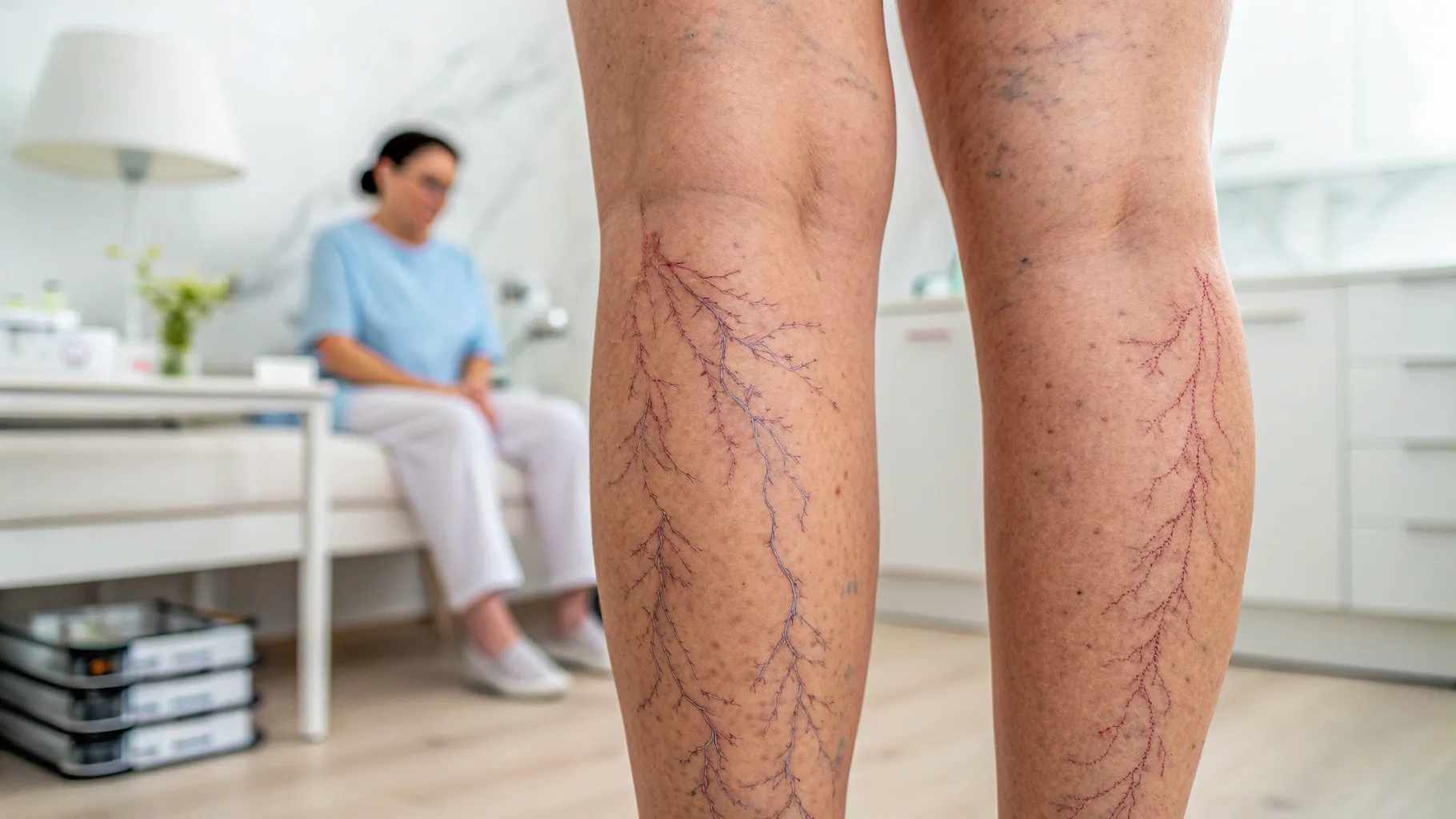
- Spider Veins: Smaller, superficial veins that appear red or blue often accompany varicose veins and stem from similar causes.
Healthcare providers diagnose varicose veins through physical examinations and typically recommend a venous ultrasound. This imaging technique assesses blood flow and checks the function of the valves within the veins, aiding in determining the most effective treatment approach.
Modern Treatments for Varicose Veins
Advances in medical technology in recent months have diversified the treatment options available for those suffering from varicose veins:
- Compression Stockings: These specially designed stockings are often the first line of defense. They provide graduated pressure that helps the blood flow more efficiently toward the heart.
- Endovenous Laser Therapy (EVLT): This minimally invasive procedure employs laser energy to seal off problematic veins, redirecting blood flow to adjacent, healthy veins.
- Sclerotherapy: This treatment entails injecting a solution directly into the varicose vein, causing it to collapse and gradually fade from view.
- Radiofrequency Ablation: Similar to EVLT, this technique uses heat to close off veins, promoting rerouted blood flow to healthier vessels.
- Vein Stripping: When other treatments are insufficient, this more invasive surgical option involves removing larger veins through small incisions and may be advised for severe cases.
Patient preference and the condition's severity usually influence treatment decisions. Reports indicate that nearly 80% of individuals receive lasting relief with these less invasive methods, which prioritize the patient’s comfort and recovery time.
Self-Care and Lifestyle Adjustments
Alongside medical solutions, adopting effective self-care strategies enhances treatment outcomes. Integrating the following habits into your daily routine can make a significant difference in managing varicose veins:
- Regular Exercise: Engaging in activities such as walking, swimming, or cycling helps boost circulation and toning muscles in the legs, which supports vein function.
- Weight Management: Maintaining a healthy body weight can drastically reduce the pressure exerted on your veins, lowering the risk of flare-ups.
- Elevating Your Legs: Taking time to elevate your legs throughout the day helps foster improved blood flow and diminishes swelling.
- Healthy Diet: Consuming a diet rich in fiber and low in salt can contribute to optimal blood circulation while preventing excessive swelling.
Addressing varicose veins goes beyond just seeking treatment; investing in your overall health proves to be instrumental. The challenges posed by visible varicose veins can be daunting, but with appropriate action, more individuals find themselves empowered to enhance their physical and emotional well-being.
As our society continues to evolve and address the challenges of vascular conditions, the factors contributing to varicose veins and the available treatment options are becoming increasingly well-understood. Whether you are dealing with visible symptoms or are simply at risk, staying informed and proactive can make all the difference in managing this common but often overlooked issue.