A Patient's Guide: What to Expect During Prostate Removal Surgery
Facts:
- Prostate surgery is a primary cancer treatment method.
- Robotic-assisted surgery is now the dominant approach for men undergoing a radical prostatectomy.
Navigating Your Radical Prostatectomy Journey: A Step-by-Step Overview
Receiving a diagnosis that requires prostate removal surgery can be a daunting experience, filled with questions and uncertainty. This comprehensive guide is designed to walk you through every stage of the process, from the initial preparations to long-term recovery. Understanding what to expect during a radical prostatectomy can empower you to feel more in control and prepared for the journey ahead. This procedure, a cornerstone of prostate cancer treatment, involves the complete removal of the prostate gland and some surrounding tissue. Our goal is to provide clear, detailed information to help you and your loved ones navigate this significant health event with confidence.
Preparing for Your Prostate Removal Surgery
Proper preparation is crucial for a successful outcome and a smoother recovery. In the weeks leading up to your prostate removal surgery, you will have several consultations with your surgical and medical teams. This period involves a series of medical evaluations, including blood tests, ECGs, and possibly imaging scans to ensure you are physically ready for the procedure. Your doctor will discuss the specifics of the surgery, including the risks and benefits of the chosen technique, such as the increasingly common robotic prostatectomy. You will be given instructions on medications, particularly blood thinners, which may need to be stopped or adjusted. It's also a critical time to focus on your general health. Your care team may advise you to stop smoking, eat a balanced diet, and engage in light physical activity to strengthen your body for the upcoming prostate surgery recovery. This is also the ideal time to arrange for support at home for the post-operative period.
The Day of the Surgery: Anesthesia and the Procedure
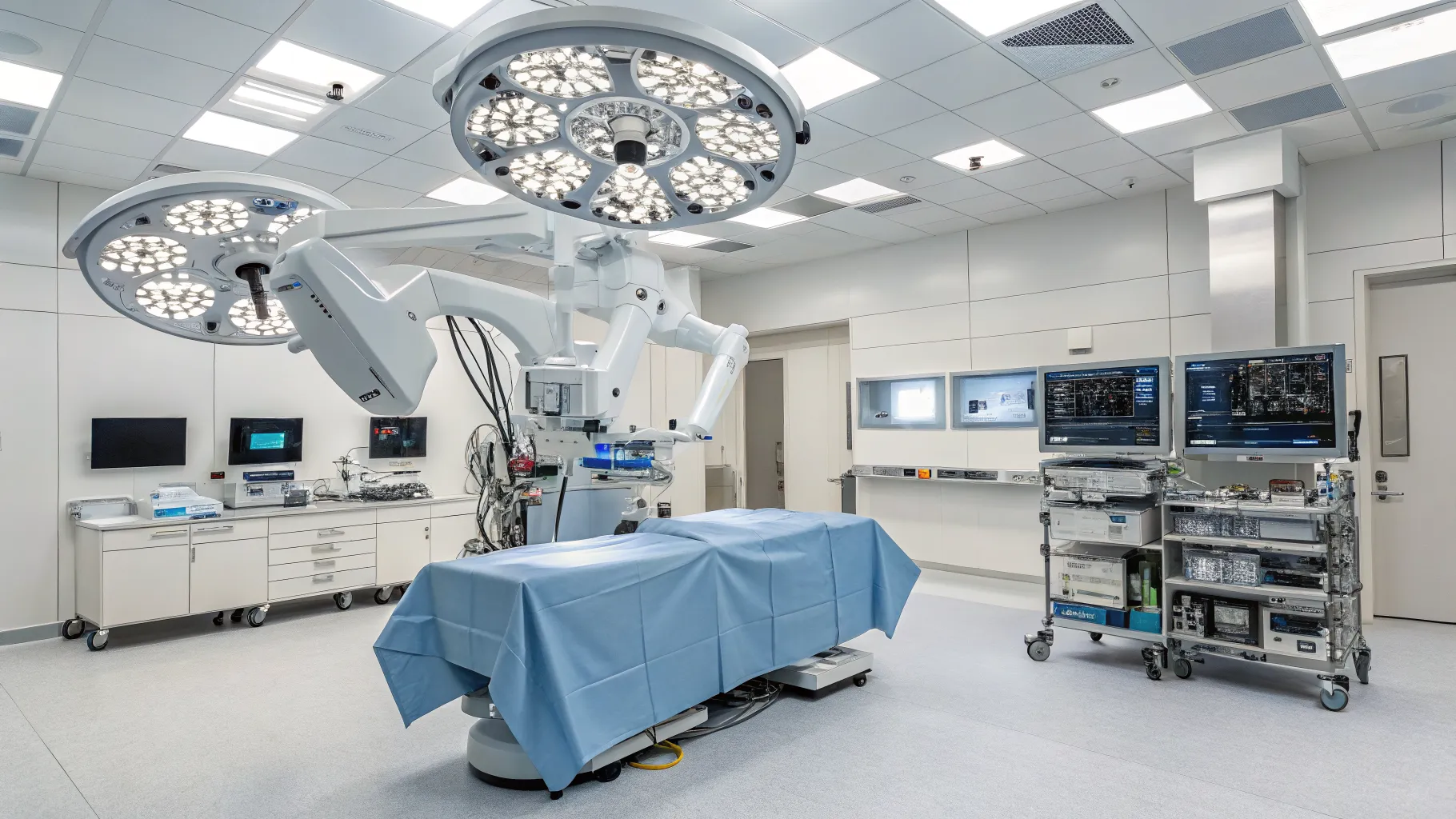
On the day of your radical prostatectomy, you will arrive at the hospital several hours before the scheduled time. After checking in, you'll meet with the anesthesiologist to discuss the general anesthesia that will keep you comfortable and unaware during the operation. Once in the operating room, the surgical team will begin the procedure. While traditional open surgery is still an option, the most prevalent method is the robotic prostatectomy. This minimally invasive technique involves the surgeon controlling highly precise robotic arms through tiny incisions in the abdomen. This approach offers enhanced magnification and dexterity, often leading to less blood loss, reduced pain, and a shorter hospital stay compared to open surgery. The primary goal of this vital prostate cancer treatment is to remove the cancerous gland entirely while preserving the surrounding nerves that control urinary and sexual function as much as possible.
Immediately After the Surgery: The Hospital Stay
Following the completion of your prostate removal surgery, you will be moved to a recovery room where medical staff will closely monitor your vital signs as you awaken from anesthesia. Pain management is a priority, and you will be provided with medication to keep you comfortable. A urinary catheter will be in place to drain urine from your bladder while the area heals; this is a standard part of the process and is typically kept in for one to two weeks. Most patients undergoing a robotic prostatectomy can expect a hospital stay of one to two nights. During this time, the nursing staff will encourage you to start moving around, such as sitting in a chair or taking short walks, to help prevent blood clots and promote circulation. Your diet will slowly advance from clear liquids to solid foods as your digestive system returns to normal. This initial phase is the first step on the road to your full prostate surgery recovery.
The Path to Healing: Your Prostate Surgery Recovery at Home
Your prostate surgery recovery continues and intensifies once you are discharged from the hospital. The first few weeks at home are a critical healing period. It is essential to follow your surgeon's instructions carefully to ensure the best possible outcome. Key aspects of your home recovery will include:
- Catheter Care: You will receive detailed instructions on how to manage and care for your urinary catheter. It's important to keep the area clean to prevent infection. The catheter is usually removed at a follow-up appointment about 7-14 days after surgery.
- Pain Management: You will likely be prescribed pain medication, but many patients find they can switch to over-the-counter options within a few days. Discomfort should gradually decrease.
- Activity Restrictions: Heavy lifting (anything over 10 pounds), strenuous exercise, and driving are typically forbidden for several weeks. Walking is highly encouraged to aid recovery and prevent complications.
- Diet and Hydration: Staying well-hydrated is important. A balanced diet rich in fiber can help prevent constipation, which can be uncomfortable after abdominal surgery.
- Pelvic Floor Exercises: Your doctor will likely recommend starting Kegel exercises to strengthen the muscles that control urination. This is a vital part of regaining urinary control after a radical prostatectomy.
Potential Side Effects and Long-Term Outlook
While the primary goal of a radical prostatectomy is to cure cancer, it is important to be aware of the potential long-term side effects. The two most significant concerns for patients are urinary incontinence and erectile dysfunction. The extent to which these occur depends on various factors, including the stage of the cancer, your age, your pre-surgery function, and the skill of the surgeon in preserving the delicate nerves around the prostate. Most men experience some degree of urinary leakage immediately after the catheter is removed, but this improves significantly for the vast majority within a few months to a year. Similarly, recovery of erectile function can be a gradual process and may take up to two years. There are many effective treatments and therapies available for both conditions, and it is a crucial part of your ongoing prostate cancer treatment and follow-up care to discuss these with your doctor. Regular follow-up appointments, including PSA blood tests, will be scheduled to monitor your recovery and ensure the cancer has not returned.
Frequently Asked Questions
How long does a robotic prostatectomy typically take?
A robotic-assisted radical prostatectomy generally takes between two and four hours to complete. The exact duration can vary depending on individual patient factors, such as anatomy and the specifics of the cancer, as well as the surgeon's experience.
What is the average prostate surgery recovery time?
Full recovery varies, but most men can expect to return to non-strenuous work and daily activities within four to six weeks. However, recovering full urinary control and sexual function can be a more gradual process that may take several months to over a year. Adhering to post-operative instructions is key to a smooth recovery.
Is prostate removal surgery the only option for prostate cancer?
No, it is not the only option. Prostate cancer treatment is highly individualized. Other options may include active surveillance (for low-risk cancers), radiation therapy, hormone therapy, and chemotherapy. The best treatment plan depends on the stage and grade of the cancer, your age, overall health, and personal preferences, which should be discussed in detail with your urologist and oncologist.
References
- National Institute of Diabetes and Digestive and Kidney Diseases (NIDDK)
- American Cancer Society
- Urology Care Foundation
- Prostate Cancer Foundation