What to Expect During Prostate Removal Surgery: A Complete Guide to Prostatectomy
Facts:
- Prostatectomy is a common prostate cancer treatment.
- Robotic-assisted surgery is the most frequent approach for prostate removal surgery.
The Journey Before Surgery: Preparing for Your Prostatectomy
Understanding what to expect before your prostate removal surgery is the first crucial step in a successful journey towards recovery. Once you and your urologist have decided that a radical prostatectomy is the best course of action for your prostate cancer treatment, a series of preparatory steps will begin. This pre-operative phase is designed to ensure you are physically and mentally ready for the procedure. You will likely undergo a full physical examination, including blood tests and possibly an electrocardiogram (ECG), to assess your overall health. Your medical team will provide specific instructions regarding diet, medication, and lifestyle adjustments. For instance, you may be asked to stop taking certain medications like blood thinners several days before the surgery to minimize bleeding risks. Preparing your home for your return is also a vital part of this stage, ensuring a comfortable environment for your recovery after prostatectomy.
The Day of Your Prostate Removal Surgery: Anesthesia and the Procedure
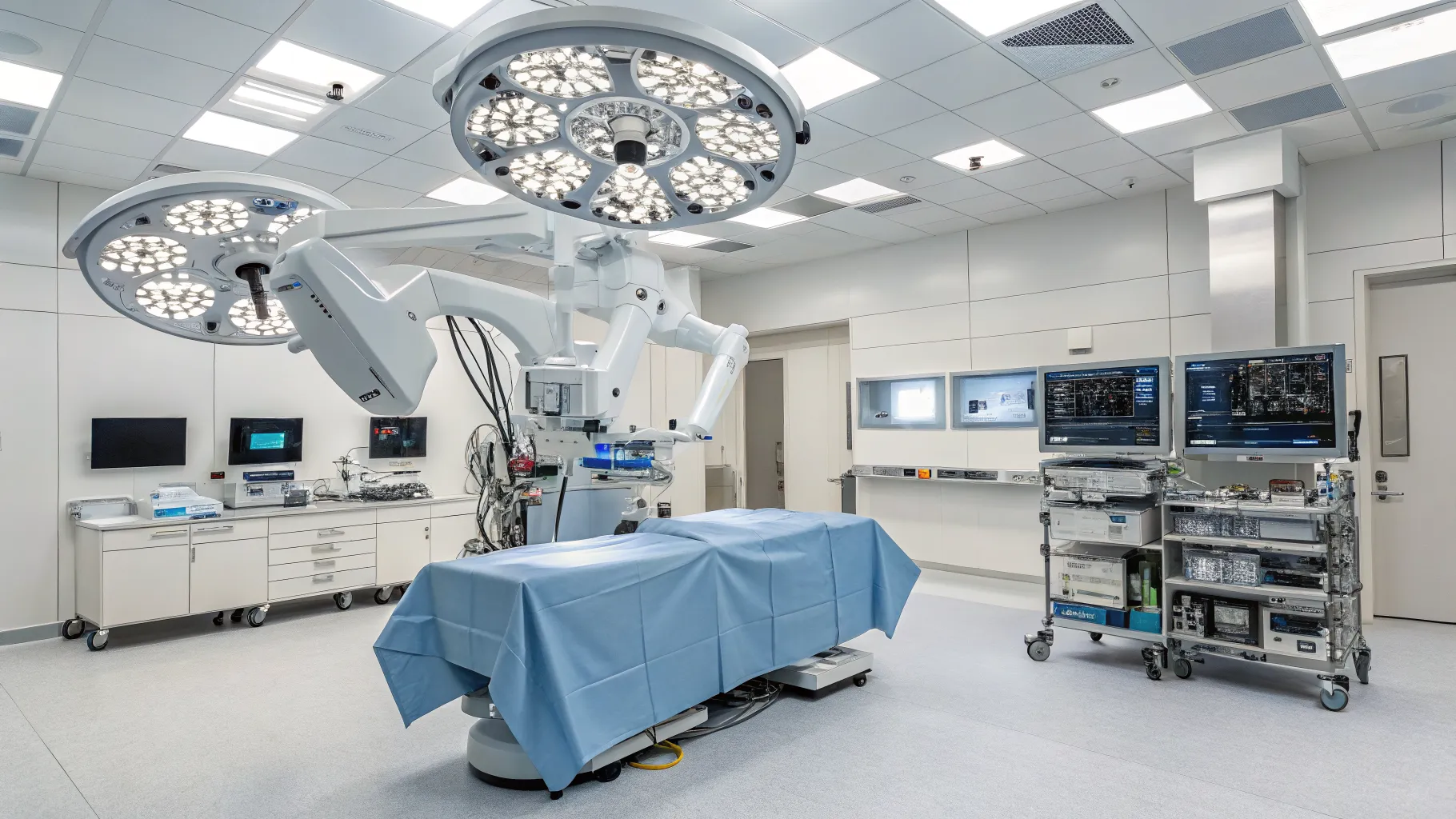
On the day of the operation, you will arrive at the hospital several hours before the scheduled time. The primary event before the actual procedure is the administration of anesthesia. A specialist anesthetist will discuss the process with you and administer general anesthesia, which means you will be completely asleep and feel no pain during the prostate removal surgery. Once you are asleep, a urinary catheter will be inserted to drain urine from your bladder during and after the operation. The surgical team, led by your urologist, will then begin the prostatectomy. The goal is to remove the entire prostate gland and, in some cases, the nearby seminal vesicles and lymph nodes. The duration of the surgery can vary, typically lasting between two to four hours, depending on the surgical method used and the specifics of your case. This is a significant step in your prostate cancer treatment plan, and the surgical team is highly skilled in performing this precise operation.
Understanding Different Types of Prostatectomy
There are several surgical approaches to performing a prostatectomy, and the choice often depends on the surgeon's expertise and the patient's specific condition. The most common method today is the robot-assisted radical prostatectomy. In this minimally invasive procedure, the surgeon operates a sophisticated robotic system with high-definition 3D vision and wristed instruments that allow for greater precision and control than the human hand. This technique typically results in smaller incisions, less blood loss, and a quicker initial recovery period. Another approach is the open radical prostatectomy, where the surgeon makes a single larger incision in the lower abdomen to remove the prostate. While less common now, it remains a valid option for certain complex cases. Both methods are effective forms of prostate cancer treatment, and a thorough discussion with your surgeon will determine the best approach for you, balancing the benefits and potential risks to optimize your path to recovery after prostatectomy.
Navigating the Immediate Post-Operative Period
Immediately following your prostate removal surgery, you will be moved to a recovery room where medical staff will closely monitor your vital signs as you wake up from anesthesia. Pain management is a priority, and you will be given medication to ensure your comfort. You can expect to stay in the hospital for one to two days. The urinary catheter inserted before surgery will remain in place for about one to two weeks to help your bladder heal. The hospital staff will teach you how to care for the catheter before you are discharged. Walking is encouraged soon after surgery to help prevent blood clots and promote circulation. You will receive specific instructions on activity limitations, such as avoiding heavy lifting and strenuous exercise, to ensure a smooth initial recovery after prostatectomy. This period is critical for healing, and following your medical team's advice is paramount.
Long-Term Outlook and Recovery After Prostatectomy
The journey to full recovery continues for several weeks and months after you leave the hospital. Your recovery after prostatectomy will involve follow-up appointments with your urologist to monitor your progress, remove the catheter, and discuss pathology results. Two of the most significant long-term considerations after a prostatectomy are urinary control and erectile function. Most men experience some degree of urinary incontinence initially, but this typically improves significantly over several months. Pelvic floor exercises, known as Kegels, are highly recommended to strengthen the muscles that control urination. The recovery of erectile function can be more gradual and varies widely among individuals, depending on factors like age, pre-surgery function, and whether nerves were spared during the operation. Various treatments are available to help manage these side effects. Patience and open communication with your healthcare provider are key components of a successful long-term recovery and adjusting to life after a major prostate cancer treatment.
Frequently Asked Questions
How long does the full recovery after prostatectomy take?
Full recovery can vary significantly. While you may be back to light activities in a few weeks, it can take several months to a year to fully regain urinary control and see the maximum return of erectile function. The success of your recovery after prostatectomy depends on adherence to medical advice and rehabilitation exercises.
Is prostate removal surgery a definitive cure for prostate cancer?
For cancer that is confined to the prostate gland, a radical prostatectomy offers a very high chance of a cure. It is one of the most effective forms of prostate cancer treatment. However, follow-up monitoring with PSA tests is essential to ensure the cancer has not returned.
What are the main risks associated with a prostatectomy?
Like any major surgery, a prostate removal surgery carries risks such as bleeding, infection, and reaction to anesthesia. Specific risks include urinary incontinence and erectile dysfunction. Discussing these potential side effects thoroughly with your surgeon is crucial before the procedure.
References
- Urology Care Foundation: Radical Prostatectomy
- National Cancer Institute: Prostate Cancer Treatment (PDQ®) – Health Professional Version
- Mayo Clinic: Prostatectomy - What you can expect
- American Cancer Society: Surgery for Prostate Cancer