What to Expect From a 14-Night Egypt Tour with Flights and a Nile Cruise
Embarking on a two-week journey through Egypt is a dream for many travelers, offering a deep dive into one of the world's most fascinating ancient civilizations. A 14-night tour package that includes flights and a Nile cruise is designed to streamline the experience, combining iconic sightseeing with relaxing travel along the legendary river. Understanding the components of such a trip helps you prepare for an unforgettable adventure through the land of the pharaohs.
Typical 14-Night Itinerary Overview
A two-week tour provides ample time to explore Egypt's highlights without feeling rushed. Most itineraries begin and end in Cairo, the bustling capital. The first few days are typically dedicated to exploring Cairo and its surroundings, including the Giza Plateau, home to the Great Pyramids and the Sphinx, as well as the Egyptian Museum to see the treasures of Tutankhamun.
Following the Cairo portion, you will usually fly south to either Luxor or Aswan to begin the Nile cruise. This cruise, often lasting between three to seven nights, forms the heart of the journey. The remaining days might include a trip to Abu Simbel or a return to Cairo for further exploration of its markets and historic districts before the final departure. This structure allows for a logical progression through Egypt's historical timeline and geographical landscape.
The 'Including Flight' Component
When a tour package is advertised as 'including flight,' it's crucial to understand the specifics. This usually covers international round-trip airfare from major hubs and at least one domestic flight within Egypt, typically between Cairo and Luxor or Aswan. The airline and flight times are often pre-selected by the tour operator to align with the itinerary, though some may offer upgrade options.
Travelers should always clarify which flights are included. Are the taxes and fees part of the package price? What is the baggage allowance? Knowing these details in advance prevents unexpected costs. Domestic travel within Egypt might also be handled via an overnight sleeper train, which can be an interesting experience in itself, offering a different perspective of the country's landscape.
The Nile Cruise Experience
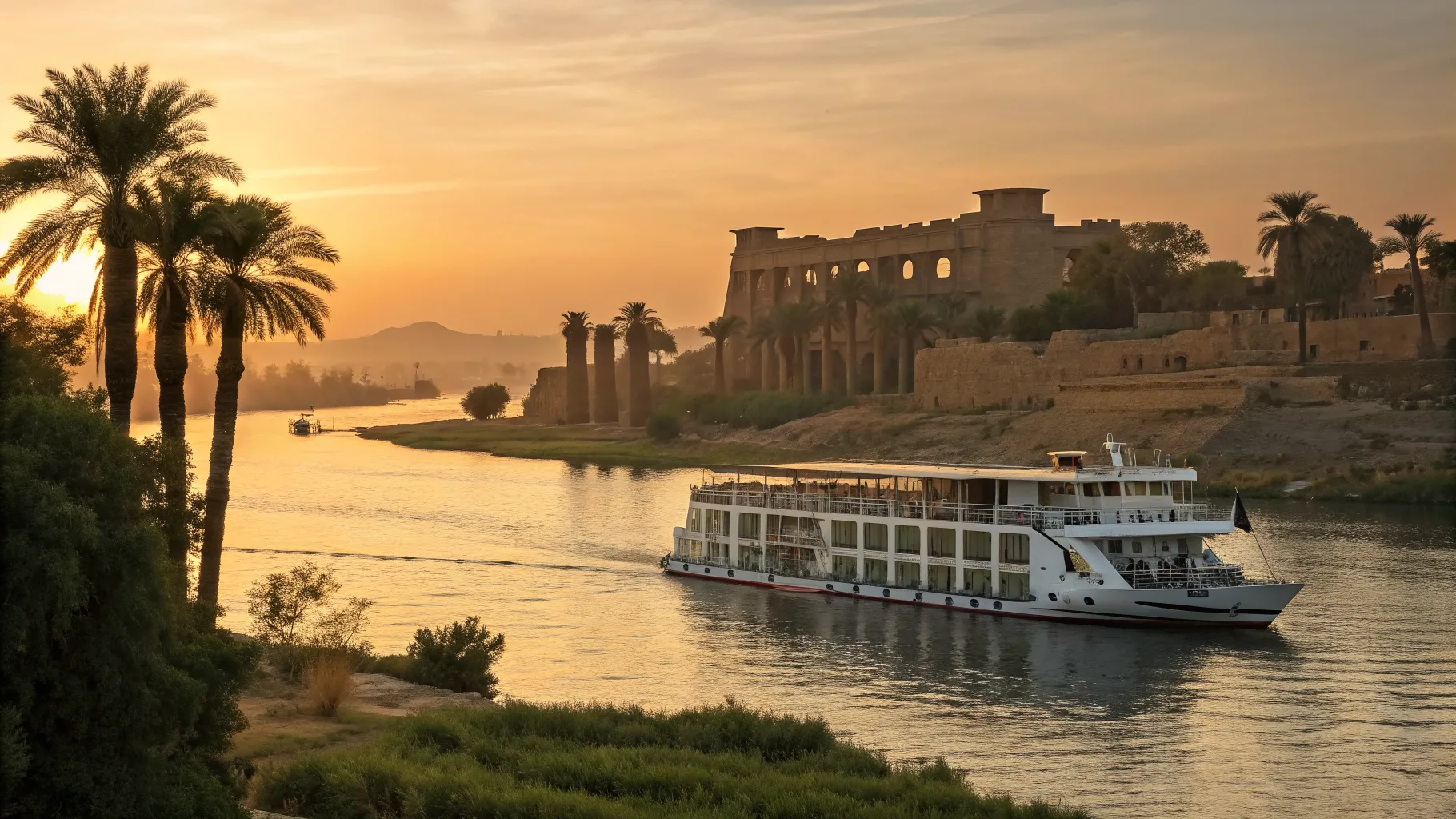
The Nile cruise is often the centerpiece of an extended Egyptian holiday. These are not small boats but multi-deck river vessels, complete with cabins, restaurants, sundecks, and often a small swimming pool. A typical cruise sails between Luxor and Aswan, stopping at key historical sites along the way. Most cruises are full-board, meaning breakfast, lunch, and dinner are included in the price.
During the cruise, you can expect daily guided excursions to magnificent temples such as Edfu and Kom Ombo, which are directly accessible from the riverbank. Evenings on the ship might feature entertainment like traditional music or a belly dancing show. It's a comfortable and convenient way to see a large number of ancient sites while enjoying the scenic views of the Nile Valley.
Must-See Historical Sites
A 14-night tour ensures you have time to visit Egypt's most significant landmarks. Beyond the Pyramids and Sphinx in Giza, the itinerary will almost certainly include the vast temple complexes of Karnak and Luxor. In the Valley of the Kings, you'll have the opportunity to descend into the elaborately decorated tombs of pharaohs from the New Kingdom.
Other key sites often included are:
- The Temple of Hatshepsut, a stunning terraced temple dedicated to Egypt's most famous female pharaoh.
- The Colossi of Memnon, two massive stone statues that once guarded a now-lost temple.
- In Aswan, the High Dam, the Unfinished Obelisk, and the beautiful Philae Temple on Agilkia Island.
- An optional but highly recommended excursion is the trip to the temples of Abu Simbel, monumental structures carved out of a mountainside by Ramesses II.
Accommodations and Ground Transportation
Outside of the Nile cruise, your accommodations will typically be in hotels. Tour packages usually offer a range of hotel standards, from comfortable three-star properties to luxurious five-star establishments. In Cairo, hotels are often located either in the city center or with views of the pyramids in Giza. These hotels serve as your base for exploring the capital and its surroundings.
Ground transportation is managed by the tour operator. You can expect to travel in air-conditioned coaches for all guided tours and transfers between airports, hotels, and cruise docks. Having a dedicated vehicle and driver eliminates the stress of navigating unfamiliar cities and haggling for taxi fares, allowing you to focus on the sights and experiences.
Understanding Costs and What's Included
While tour packages aim to be comprehensive, it's important to know what is typically covered and what is not. Included items usually consist of international and domestic flights, all accommodations (hotel and cruise), specified meals (often all meals on the cruise and breakfast in hotels), guided tours with an Egyptologist, and entrance fees to the main sites on the itinerary.
Expenses that are almost always separate include the visa for entry into Egypt, travel insurance, and optional tours like the Abu Simbel trip or a hot air balloon ride over Luxor. Tipping, known as 'baksheesh,' is a customary part of life in Egypt and is expected for guides, drivers, and cruise staff. Many tour operators will collect a set amount for tips upfront to distribute on your behalf, which simplifies the process.