5 Clinically Proven Foods to Support Fatty Liver Function and Improve Liver Health
Fast Facts:
- Fatty liver disease affects over 25% of the global population.
- Early dietary interventions show significant promise for improving liver health for adults.
Nourishing Your Liver: Key Foods for Enhanced Hepatic Function
Maintaining optimal liver health is crucial for overall well-being, and diet plays a pivotal role, especially when managing or preventing fatty liver disease. Incorporating specific foods can provide significant liver function support, helping to reduce fat accumulation and improve the organ's ability to detoxify and metabolize. This article explores five clinically proven foods that can make a substantial difference in supporting your liver.
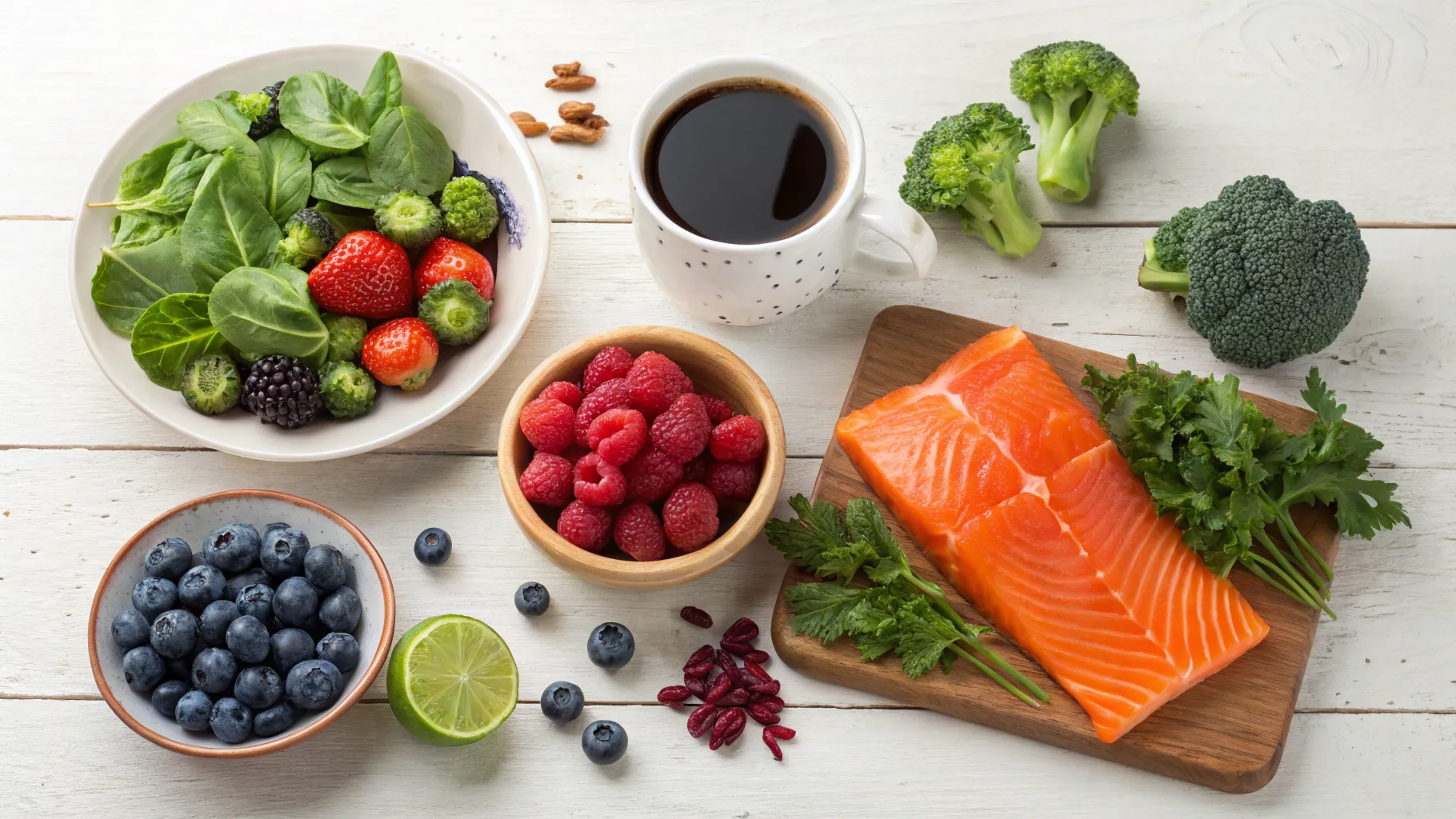
Powerful Dietary Allies for Fatty Liver Function Support
The journey to better liver health often begins in the kitchen. Understanding which foods actively contribute to reducing hepatic fat and inflammation is key for anyone concerned about non-alcoholic fatty liver disease (NAFLD) or general liver function support. These five foods are backed by scientific research for their beneficial impact on the liver.
1. Coffee: More Than Just a Morning Brew
Coffee, particularly black coffee, has been extensively studied for its protective effects against fatty liver disease. Regular consumption, in moderation, has been linked to a reduced risk of developing liver fibrosis and cirrhosis in individuals with NAFLD. The compounds in coffee, such as chlorogenic acid and cafestol, are believed to reduce inflammation and oxidative stress in the liver, promoting better hepatic steatosis management. It acts as a powerful antioxidant, helping to mitigate cellular damage and improve the liver's natural repair mechanisms. Research consistently points to coffee as a valuable addition to a diet focused on liver health, helping to lower elevated liver enzyme levels and protect against further damage.
2. Green Tea: An Antioxidant Powerhouse
Green tea is celebrated worldwide for its numerous health benefits, and its role in liver function support is particularly noteworthy. Rich in catechins, especially epigallocatechin gallate (EGCG), green tea possesses strong antioxidant and anti-inflammatory properties. These compounds can help reduce fat accumulation in the liver and protect against oxidative damage, which is a common factor in the progression of fatty liver disease. Studies have shown that regular consumption of green tea can significantly decrease liver enzyme levels and improve lipid profiles, making it an excellent beverage choice for individuals seeking to enhance their liver health and combat hepatic steatosis. The detoxifying properties of green tea also aid in the liver's natural cleansing processes, bolstering its overall function.
3. Berries: Nature's Sweet Healers
Berries, such as blueberries, strawberries, and raspberries, are packed with anthocyanins and other powerful antioxidants. These compounds play a crucial role in reducing oxidative stress and inflammation, two primary contributors to the progression of fatty liver disease. The high fiber content in berries also aids in digestion and helps regulate blood sugar levels, indirectly supporting liver function support by reducing the burden on the liver. Regular intake of berries can help protect liver cells from damage and improve insulin sensitivity, a key factor in managing non-alcoholic fatty liver disease (NAFLD). Their ability to scavenge free radicals and reduce cellular damage makes them an indispensable part of a diet aimed at improving liver health.
4. Fatty Fish: Essential Omega-3s
Fatty fish like salmon, mackerel, and sardines are excellent sources of omega-3 fatty acids, specifically EPA and DHA. These essential fats are renowned for their anti-inflammatory properties and their ability to reduce liver fat. Omega-3s can improve insulin sensitivity and decrease triglyceride levels in the liver, thereby directly addressing key aspects of fatty liver disease. Incorporating fatty fish into your diet two to three times a week can significantly contribute to better liver health and provide vital liver function support. They help to regulate fat metabolism and reduce inflammation, which are critical for preventing the progression of hepatic steatosis and maintaining a healthy liver environment. The benefits extend to reducing overall cardiovascular risk as well, making them a comprehensive health booster.
5. Cruciferous Vegetables: Detoxification Champions
Vegetables such as broccoli, Brussels sprouts, kale, and cauliflower are often referred to as cruciferous vegetables and are highly beneficial for liver health. They contain compounds like sulforaphane and indole-3-carbinol, which enhance the liver's detoxification enzymes. These enzymes help process and eliminate toxins from the body, thereby reducing the workload on the liver and promoting optimal liver function support. Regular consumption of cruciferous vegetables can also help reduce fat accumulation and protect against liver damage, making them essential for managing fatty liver disease. Their rich fiber content also supports digestive health, further aiding the liver's metabolic processes and ensuring efficient detoxification pathways. These vegetables are truly detoxification champions that provide robust support against hepatic steatosis.
Comparative Benefits: Integrating Liver-Supportive Foods into Your Diet
While each of these foods offers unique benefits for liver health, their combined effect can be synergistic. For instance, the antioxidants in coffee and green tea work differently from those in berries, providing a broader spectrum of protection against oxidative stress. Fatty fish contributes essential omega-3s that actively reduce liver fat and inflammation, a mechanism distinct from the detoxification support offered by cruciferous vegetables. For optimal liver function support, a holistic approach that integrates a variety of these foods is recommended. Individuals managing fatty liver disease should consider rotating these options to ensure a comprehensive intake of beneficial compounds. The regular inclusion of these foods not only addresses hepatic steatosis directly but also supports overall metabolic health, reducing secondary burdens on the liver. This multifaceted approach is superior to focusing on a single food type, providing robust defense against liver damage.
Practical Steps for Enhancing Your Liver Health
Incorporating these foods into your daily routine doesn't have to be complicated. Small, consistent changes can lead to significant improvements in liver health and provide crucial liver function support.
- Start Your Day with Coffee or Green Tea: Opt for unsweetened coffee or green tea instead of sugary beverages. This simple switch can contribute to better fatty liver disease management.
- Snack on Berries: Keep a bowl of mixed berries handy for a quick, antioxidant-rich snack. They are a delicious way to boost your liver health.
- Include Fatty Fish in Meals: Aim for two servings of fatty fish per week. Grilled salmon or baked mackerel can be excellent choices for improving hepatic steatosis.
- Load Up on Cruciferous Vegetables: Add broccoli or kale to your salads, stir-fries, or side dishes. These vegetables are vital for detoxification and liver function support.
- Prioritize Whole Foods: Focus on a diet rich in whole, unprocessed foods to reduce the overall burden on your liver and enhance your journey to optimal liver health.
Frequently Asked Questions
Can diet alone reverse fatty liver disease?
While diet plays a critical role in managing and improving fatty liver disease, the extent of reversal depends on the stage and severity. Early intervention with a balanced diet focused on liver health can significantly improve liver function and may even reverse mild cases. For more advanced stages, dietary changes are an essential part of a broader treatment plan.
How much coffee is beneficial for liver health?
Most research suggests that moderate coffee consumption, typically 2-3 cups per day, is associated with protective effects against fatty liver disease and improved liver function support. However, it's always best to consult with a healthcare professional, especially if you have underlying health conditions.
Are all berries equally good for liver function support?
While all berries offer antioxidant benefits, some, like blueberries and raspberries, are particularly rich in specific compounds beneficial for liver health. Including a variety of berries in your diet ensures a broader spectrum of nutrients to support against hepatic steatosis.
What if I don't like fish? Are there other sources of Omega-3s for liver health?
If you don't consume fish, you can still get omega-3 fatty acids from plant-based sources like flaxseeds, chia seeds, and walnuts. Algae oil supplements are also a good alternative for EPA and DHA, crucial for liver function support and combating fatty liver disease.
How quickly can I expect to see improvements in my fatty liver disease from diet?
Improvements in fatty liver disease can vary, but consistent dietary changes can start showing benefits within a few weeks to months. Regular monitoring by a healthcare provider, including blood tests and imaging, will help track your progress in improving liver health.
References
- European Association for the Study of the Liver (EASL) Clinical Practice Guidelines on non-invasive tests for the evaluation of liver disease severity.
- Journal of Hepatology: The role of diet and exercise in non-alcoholic fatty liver disease.
- Hepatology: Coffee and caffeine consumption and the risk of cirrhosis and hepatic fibrosis.
- British Journal of Nutrition: Green tea catechins and their effects on liver fat and enzymes.
- American Journal of Clinical Nutrition: Omega-3 fatty acids and non-alcoholic fatty liver disease.