A Guide to a 7-Night Baltic Capitals Summer Cruise
A summer cruise through the Baltic Sea offers a unique way to experience the rich history, stunning architecture, and vibrant cultures of Northern Europe. Sailing from one historic capital to the next allows travelers to unpack once while waking up to a new, exciting destination nearly every day. The long daylight hours of a Baltic summer provide ample time to explore the cobblestone streets and scenic waterways of this fascinating region.
What to Expect on a Baltic Sea Voyage
A typical 7-night cruise in the Baltic region is a well-paced journey that blends exciting port days with relaxing days at sea. Life on board is a significant part of the experience. Modern cruise ships are floating resorts, offering a variety of dining options, entertainment like live shows and music, swimming pools, and wellness centers. The days at sea give you a chance to enjoy these amenities and rest between bustling city tours.
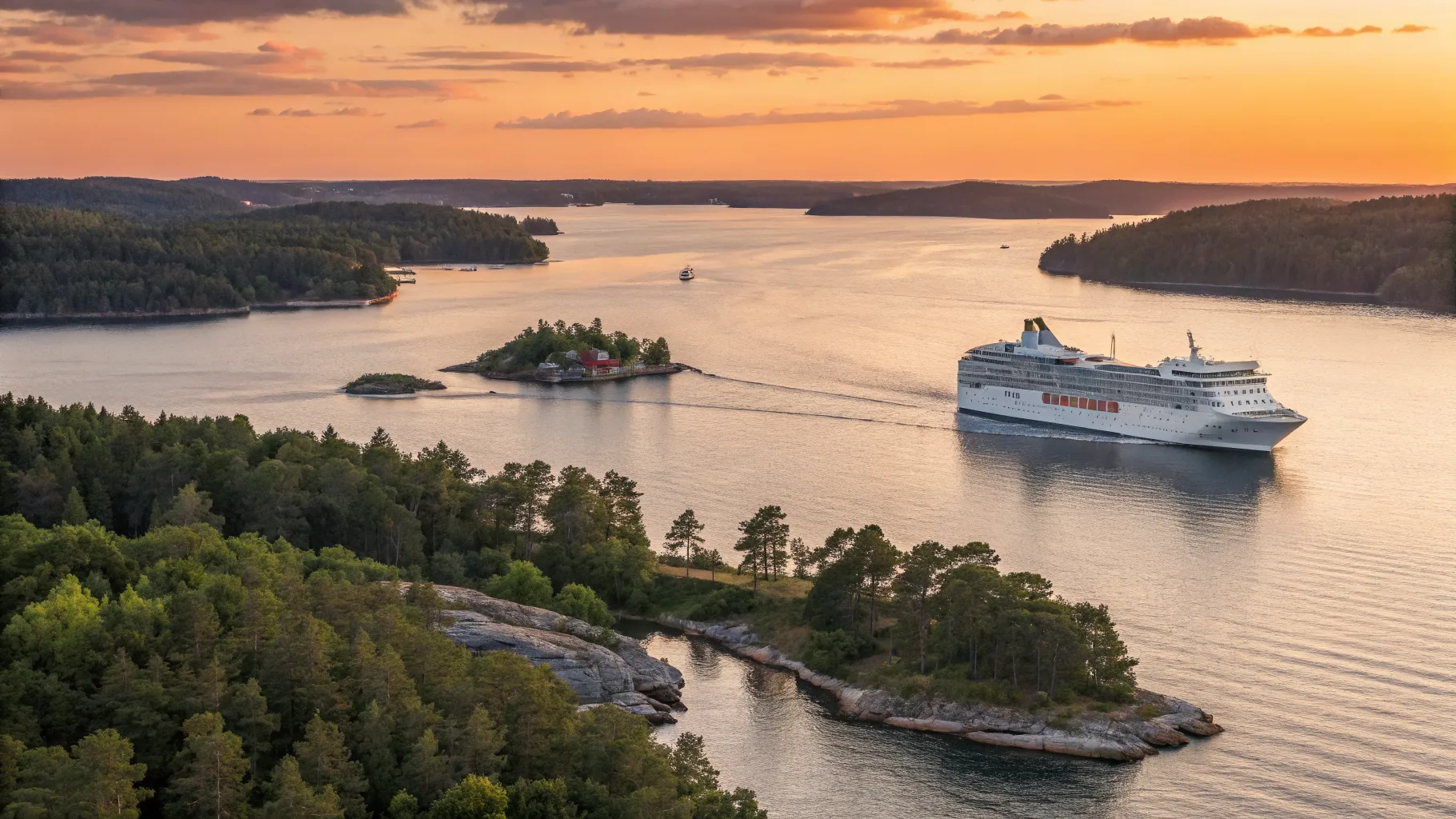
Arriving in each city by sea provides a unique and often dramatic perspective that is missed by those who arrive by plane or train. Sailing into Stockholm through its vast archipelago or docking near the medieval walls of Tallinn are memorable moments in themselves. The convenience of having your transportation, accommodation, and meals bundled together allows you to focus your energy on exploring the destinations.
Gdansk, Poland: A Journey Through History
Often a starting point for Baltic itineraries, Gdansk is a city with a profound and complex history. Its Old Town, meticulously rebuilt after extensive damage in World War II, is a stunning testament to the city's resilience. Walking along the Długi Targ, or Long Market, you are surrounded by colorful, narrow buildings, historic gates, and the iconic Neptune's Fountain, creating a picturesque atmosphere.
Shore excursions and independent exploration often focus on this historic core. Key sights include St. Mary's Church, one of the largest brick churches in the world, which offers panoramic city views from its tower. A walk along the Motława River embankment showcases the medieval port crane, known as Żuraw. Many visitors also take time to learn about the city's more recent history at the European Solidarity Centre, which chronicles the fall of communism in Eastern Europe.
Stockholm, Sweden: The City on Fourteen Islands
Stockholm is built on an archipelago of 14 islands connected by more than 50 bridges, making water an integral part of its identity. The journey into the city through the Stockholm Archipelago, a cluster of thousands of islands, is a scenic highlight of any Baltic cruise. Once docked, the city is easy to explore on foot or via its efficient public transport system.
The city's most famous district is Gamla Stan, the Old Town, a maze of medieval alleyways, charming squares, and historic buildings. Beyond the Old Town, Stockholm offers a wealth of cultural experiences. Popular attractions include:
- The Vasa Museum, which houses an almost fully intact 17th-century ship that sank on its maiden voyage.
- Skansen, the world's first open-air museum, showcasing historical buildings and Scandinavian traditions.
- The Royal Palace, the official residence of the Swedish monarch, with several museums inside.
- The ABBA Museum, a fun and interactive experience for music lovers.
Helsinki, Finland: A Hub of Design and Nature
Helsinki presents a fascinating blend of eastern and western influences, visible in its diverse architecture. The city center is known for its neoclassical buildings in Senate Square, dominated by the bright white Helsinki Cathedral. However, Helsinki is equally famous for its modern Finnish design, evident in its shops, galleries, and public spaces.
Beyond its urban core, nature is always close by. A short ferry ride takes you to the Suomenlinna Sea Fortress, a UNESCO World Heritage site spread across several islands, perfect for a day of exploration. Other unique sites include the Temppeliaukio Church, famously carved directly into solid rock, and the Sibelius Monument, an abstract sculpture dedicated to the Finnish composer Jean Sibelius. The city's waterfront markets are also a great place to sample local food and browse for crafts.
Tallinn, Estonia: Stepping into a Medieval Fairy Tale
The port of Tallinn offers one of the most enchanting experiences on a Baltic cruise. Its Old Town is a remarkably well-preserved medieval city, protected as a UNESCO World Heritage site. A short walk from the cruise port, you can step through ancient gates and find yourself transported back in time, wandering along cobblestone streets surrounded by historic merchant houses, hidden courtyards, and the original city walls and towers.
The Old Town is divided into two parts: the Lower Town and the Upper Town (Toompea). The Lower Town is centered around the bustling Town Hall Square, while Toompea, perched on a hill, was historically the seat of the nobility. Here you will find Toompea Castle, the Alexander Nevsky Cathedral with its distinct onion domes, and several lookout points offering breathtaking views over the red-tiled roofs of the Lower Town and the Baltic Sea beyond.
Practical Tips for Your 2026 Summer Cruise
Planning ahead can make your Baltic cruise smoother and more enjoyable. The summer months, particularly June and July, offer the best weather and the longest days, thanks to the 'White Nights' phenomenon where the sun barely sets. This is peak season, so booking your cruise and any high-demand shore excursions well in advance is advisable to secure better pricing and availability.
When preparing for your trip, consider the local currencies. While Finland and Estonia use the Euro, Sweden has the Swedish Krona and Poland has the Polish Złoty. Credit cards are widely accepted in all ports, but having some local currency for small purchases can be useful. In terms of packing, layers are key. A Baltic summer can bring warm, sunny days but also cool, windy, or rainy weather. Be sure to pack a waterproof jacket, comfortable walking shoes for the cobblestone streets, and perhaps some slightly more formal outfits for dinners on the ship, depending on the cruise line's dress code.