Digestive Wellness 2026: Key considerations and common questions: A Clinical and Consumer Insights Report
Digestive wellness in 2026 has transitioned from a niche interest into a primary pillar of holistic health, with consumers increasingly seeking targeted symptom relief rather than generic wellness claims 8. As research into the microbiome expands, the focus has shifted toward precision management, where individual gut composition determines nutritional and supplemental strategies 18. This report details the key considerations for maintaining gastrointestinal function and addresses common questions regarding the complex ecosystem of the human gut.
1. The Global Shift Toward Personalized Microbiome Management
The global market for digestive health is estimated to reach 21 billion dollars in 2026, driven by a growing recognition that the gut serves as a cornerstone for overall well-being 18. Approximately three out of five consumers now consider gut health very important for their entire body, influencing immunity, cognitive function, and heart health 23. Consequently, the industry is moving away from generic probiotic blends toward strain-specific interventions designed to address specific physiological needs 2. This maturity in the market means that consumers are no longer simply looking for products that taste good, but are instead demanding measurable proof of efficacy and clinical validation for ingredients 15.
Precision gut health has replaced the one-size-fits-all philosophy of previous decades 16. Factors such as genetics, historical antibiotic use, and even childhood environments are now understood to sculpt unique microbial ecosystems that require personalized attention 16. Rather than asking if a specific fermented food is universally beneficial, the 2026 paradigm focuses on whether a food or supplement aligns with an individual's current microbial inhabitants 16. This shift is supported by innovations in omics technologies and artificial intelligence, which allow for a street-level map of the gut's bacterial neighborhoods 9.
2. Architectural Analysis of the Modern "Biotics" Stack
In 2026, the use of a single probiotic strain is often viewed as insufficient for comprehensive gut support. Instead, clinical focus has turned to an integrated architecture known as the microbiota stack, which includes prebiotics, probiotics, postbiotics, and synbiotics 10. Prebiotics serve as the substrate that selectively feeds beneficial microorganisms, while probiotics provide the live strains necessary for specific clinical endpoints 10. Synbiotics represent a combination of these elements, formulated to ensure the probiotics have the necessary fuel to thrive within the gastrointestinal matrix 19.
| Category | Functional Definition | 2026 Trend Focus |
|---|---|---|
| Prebiotics | Non-digestible fibers that feed beneficial bacteria | Human Milk Oligosaccharides (HMOs) |
| Probiotics | Live beneficial microbes administered in adequate amounts | Strain-specific clinical endpoints |
| Postbiotics | Preparations of inanimate microbes conferring health benefits | Stability and matrix compatibility |
| Synbiotics | Combination of prebiotics and probiotics | Targeted symptom-relief stacks |
Postbiotics have emerged as a significant frontier in nutrition science because they do not rely on live bacteria to survive processing and digestion 22. These preparations consist of inanimate microorganisms or their components, such as short-chain fatty acids like butyrate, which directly fuel the cells lining the colon and help reduce local inflammation 18. Because postbiotics are highly stable and predictable, they are increasingly used in shelf-stable snacks and functional beverages where live cultures might struggle to remain viable 19.
3. Fiber Consumption Patterns and the GLP-1 Nutritional Impact
Fiber remains a fundamental component of digestive wellness, yet most individuals fail to meet daily requirements 13. Health authorities recommend that women aim for 25 grams of fiber per day, while men should target 38 grams 13. Diverse plant-based nutrients provide the necessary variety to support a resilient microbiome, but sudden increases in fiber intake can lead to temporary gas and bloating 14. Clinical guidelines suggest a gradual transition, allowing the gut bacteria time to adapt to new fiber loads while maintaining adequate hydration to support motility 14.
A major shift in 2026 nutrition involves the widespread use of GLP-1 receptor agonist medications, such as Ozempic and Wegovy, which have fundamentally altered how millions of people consume food 21. These medications can lead to nutritional gaps, as users often consume smaller portions and may experience gastrointestinal side effects 20. Industry trends show a move toward nutrient-dense, fiber-enriched reformulations specifically designed for individuals on metabolic medication protocols 21. Furthermore, research indicates that the gut microbiome itself influences natural GLP-1 secretion through the production of short-chain fatty acids 20.
4. Clinical Perspectives on Symptom Recognition and Screening
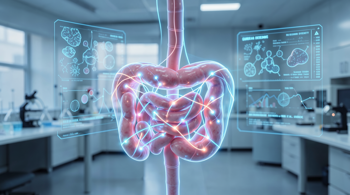
Common questions regarding digestive health often focus on distinguishing between normal fluctuations and clinical concerns. Occasional bloating after large meals is expected, but persistent bloating that interferes with daily life may indicate underlying issues such as small intestinal bacterial overgrowth or food intolerances 1. Gastroenterologists focus on the entire digestive tract, from the esophagus to the colon, treating common issues like acid reflux and complex conditions such as inflammatory bowel disease 1. Patients are encouraged not to normalize chronic diarrhea or irregular bowel habits, as these can be signs of conditions requiring medical attention 5.
Preventive screenings, particularly colonoscopies, remain a critical component of gastrointestinal care 1. Current guidelines emphasize that adults should be aware of colon health as it relates to long-term vitality, noting that symptoms like blood in the stool or persistent changes in bowel habits for several weeks warrant a professional consultation 12. In 2026, there is also a growing interest in tracking digestive patterns passively, with new tools designed to help individuals gather objective data on hydration and bathroom habits to share with their healthcare providers 17.
5. Mechanisms of the Gut-Brain Axis and Lifestyle Interaction
The gut-brain axis represents a complex communication network involving millions of nerves that link the brain and the stomach 24. The vagus nerve is the primary conduit in this system, extending from the brainstem to the abdomen and allowing thoughts and feelings to directly influence digestive speed and efficiency 24. High stress levels trigger the release of hormones that prepare the body for a fight-or-flight response, which can cause the stomach muscles to spasm, leading to pain, cramping, or sudden changes in motility 24.
Lifestyle interventions are now recognized as treatment-level habits for managing this axis 3. Sleep and movement are essential for maintaining the circadian rhythms of the gut, while regular physical activity, such as walking after meals, helps enhance gastric emptying and reduces discomfort 26. Furthermore, chronic stress can weaken the gut lining and disrupt the balance of healthy bacteria 27. Managing the nervous system through relaxation techniques and consistent sleep patterns is considered just as important as dietary choices for long-term digestive resilience 6.
6. Emerging Ingredient Trends and Regulatory Oversight
The ingredient landscape of 2026 features a move beyond generic fiber toward functional formats that target specific microbiome markers 19. Digestive enzymes are currently one of the fastest-growing segments, helping break down macronutrients like amylase for carbohydrates and lipase for fats 7. These enzymes are particularly beneficial when symptoms track closely with specific meals, whereas probiotics are typically recommended when the digestive issues are broader and not meal-dependent 3. Additionally, human milk oligosaccharides have moved into the mainstream as precision prebiotics that feed beneficial Bifidobacteria without stimulating the growth of gas-producing bacteria 18.
Regulatory oversight ensures that these innovations remain safe and evidence-based. In Australia, the Therapeutic Goods Administration regulates probiotic supplements, requiring rigorous evidence before therapeutic claims can be made 11. Health authorities emphasize that while biotics can support gut health, they are not a cure-all and must be considered within the context of an overall balanced diet and lifestyle 26. Consumers are advised to consult with healthcare professionals before starting new supplement regimens, particularly if they have pre-existing conditions or are immunocompromised 11.
Sources
- United Digestive
- Nutrition Insight
- GutRX
- India TV News
- NUFFOODS Spectrum ASIA
- Gold Bamboo
- Biohacker Alliance
- Nutrify Cloud
- npj Science of Food
- Safic-Alcan
- Therapeutic Goods Administration
- Franciscan Health
- Canadian Digestive Health Foundation
- Northeast Digestive
- Unistraw
- Pureigo
- mindbodygreen
- Cuisine Cravings
- EnWave Corporation
- Global Prebiotic Association
- Impressive Magazine
- Intake Nutrition
- Innova Market Insights
- Rocky Mountain Gastroenterology Associates
- Lapzoo
- IsoWhey
- Nutrition World