Joint stiffness after your 60s: lifestyle factors and management: A Comprehensive Clinical and Lifestyle Analysis
Joint stiffness after your 60s: lifestyle factors and management represent a critical intersection for maintaining independence and quality of life in late adulthood. As individuals reach this milestone, the body undergoes physiological shifts that often manifest as morning rigidity, reduced range of motion, and persistent discomfort in weight-bearing joints 2. Understanding these changes is the first step toward implementing proactive management strategies that target the underlying causes rather than just masking symptoms 1. Research indicates that while some age-related degeneration is expected, the severity and impact of joint stiffness are heavily influenced by daily habits and environmental factors 11.
The Biological Mechanisms of Age-Related Joint Rigidity
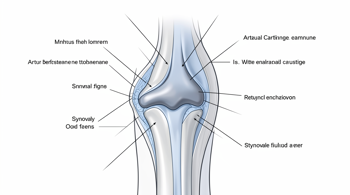
The sensation of joint stiffness is often rooted in the degradation of articular cartilage and changes in synovial fluid, which serves as a natural lubricant for the joints 3. In a healthy joint, this fluid is a clear, gel-like substance that allows bones to glide smoothly; however, as people age, the body may produce less of it, and the fluid that remains often becomes thinner and less effective 3. This thinning increases friction between bones, particularly after periods of inactivity, such as overnight sleep 6. Movement is essential for the distribution of synovial fluid, which is why stiffness often improves after a short period of walking or gentle stretching 15.
Furthermore, structural changes in the joint environment contribute to the 'stuck' feeling many older adults describe. Cartilage, the slippery cushion at the ends of bones, naturally wears down over decades of use, leading to osteoarthritis, the most prevalent form of joint disease in adults over 60 11. When this cushioning thins, the underlying bone experiences increased stress, and the body may respond by growing new bone or triggering localized inflammation 19. These biological shifts are not merely passive wear; they are active processes involving the body’s metabolism and immune system, suggesting they can be managed through intentional lifestyle adjustments 19.
Distinguishing Between Osteoarthritis and Inflammatory Conditions
It is vital to differentiate between mechanical wear-and-tear and systemic inflammatory conditions, as the management protocols for each differ significantly 4. Osteoarthritis is generally localized to specific joints, such as the knees, hips, or hands, and is characterized by pain that worsens with activity and stiffness that resolves within 15 to 30 minutes of movement 15. In contrast, inflammatory arthritis, such as rheumatoid arthritis, is an autoimmune condition where the immune system attacks joint linings, often causing symmetrical pain and stiffness that lasts for more than 30 to 60 minutes in the morning 9.
The pattern of symptoms provides crucial diagnostic clues for clinical triage. Individuals experiencing rapid-onset stiffness in the shoulders and hips, for example, may be exhibiting signs of polymyalgia rheumatica, a condition requiring specific medical intervention 15. Blood tests can help identify whether systemic inflammation markers are elevated, which differentiates these autoimmune issues from the more common mechanical degradation of osteoarthritis 8. Understanding these distinctions ensures that the management plan aligns with the physiological driver of the discomfort 8.
The Critical Role of Weight Management and Load Distribution
Weight management is perhaps the most significant modifiable factor in preserving joint health after 60, as excess body mass places disproportionate stress on load-bearing joints 13. Clinical data suggests that for every pound of excess weight, there is a corresponding four-pound increase in pressure exerted on the knee joints with every step taken 37. Over time, this compounded pressure accelerates the breakdown of cartilage and increases the risk of chronic pain 21. Consequently, maintaining a healthy weight is frequently cited as a primary recommendation for reducing the mechanical burden on the hips and knees 13.
Addressing body weight is not just about reducing load; it also involves managing the metabolic impact of adipose tissue. Fat cells can release pro-inflammatory chemicals called cytokines, which may worsen joint inflammation throughout the body 4. By stabilizing weight, individuals can potentially lower systemic inflammation and slow the progression of cartilage loss 13. Effective management often involves low-impact aerobic activities that support caloric expenditure without placing undue strain on already sensitive joints, creating a sustainable path for long-term mobility 11.
Nutritional Interventions and Anti-Inflammatory Diets
Nutrition serves as a foundational element in managing joint stiffness by providing the building blocks for tissue repair and modulating inflammatory responses 1. The Mediterranean diet, characterized by high intakes of fruits, vegetables, whole grains, and healthy fats, has been extensively studied for its benefits in reducing arthritis symptoms 1. Key components of this dietary pattern, such as Omega-3 fatty acids found in fatty fish, are known to have anti-inflammatory properties that may help alleviate joint tenderness 13. Regular adherence to such diets is linked to lower levels of inflammatory biomarkers 1.
| Nutrient/Supplement | Potential Benefit for Joints | Common Sources |
|---|---|---|
| Omega-3 Fatty Acids | Reduces systemic inflammation 13 | Salmon, walnuts, flaxseeds |
| Curcumin (Turmeric) | Modest pain relief and anti-inflammatory effects 1 | Turmeric root, supplements |
| Glucosamine | Supports cartilage integrity 21 | Shellfish-derived supplements |
| Vitamin D | Essential for bone density and immune function 29 | Sunlight, fortified foods, egg yolks |
While diet is paramount, certain supplements have shown promise in supporting joint function for some individuals. Ingredients like glucosamine, chondroitin, and Boswellia are frequently studied for their roles in preserving cartilage structure and promoting flexibility 21. However, supplements should be viewed as adjuncts to a healthy diet rather than replacements for medical care or core lifestyle changes 21. Hydration also plays a key role, as water is a major component of cartilage and synovial fluid; inadequate hydration can lead to increased joint friction 3.
Movement Strategies and Physical Activity Guidelines
Movement is often described as 'medicine' for stiff joints because it stimulates the production of synovial fluid and strengthens the muscles that support joint stability 22. For adults over 60, the focus should be on consistency rather than high intensity 12. Low-impact activities such as swimming, cycling, and walking are highly effective because they improve cardiovascular health and circulation without the repetitive jarring associated with high-impact sports 5. These activities help maintain the range of motion in the hips, knees, and ankles 26.
In addition to aerobic exercise, flexibility and strength training are essential components of a mobility-focused lifestyle. Stretching helps prevent the shortening of tendons and ligaments, which naturally lose elasticity with age 29. Mind-body exercises like Tai Chi and yoga have been shown to improve balance, mobility, and pain management in older adults with osteoarthritis 1. Strengthening the quadriceps and hamstrings, for example, can offload stress from the knee joint, acting as a biological brace that protects the joint during daily tasks like climbing stairs or rising from a chair 23.
Sleep, Stress, and Systemic Recovery Factors
Lifestyle factors beyond diet and exercise, such as sleep quality and stress management, significantly impact how the body perceives and processes joint pain 1. Poor sleep is associated with increased sensitivity to pain and higher levels of systemic inflammation, creating a feedback loop where pain disrupts sleep and lack of sleep worsens pain 1. Behavioral sleep interventions can help break this cycle, improving both overnight rest and daytime mobility 1. Ensuring a supportive sleeping environment and maintaining a regular sleep schedule are practical steps for joint health 18.
Stress management is another often-overlooked factor in joint management. Chronic stress can lead to muscle tension, which increases the load on joints and exacerbates feelings of stiffness 18. Furthermore, hormonal changes, particularly the decline in estrogen during and after menopause in women, can influence joint health, as estrogen plays a role in maintaining connective tissue integrity 24. Adopting a holistic approach that includes adequate rest, hydration, and stress reduction supports the body's natural repair mechanisms and helps maintain resilience against the common challenges of aging 18.
Summary of Management Best Practices
Managing joint stiffness after 60 requires a 360-degree view of lifestyle and clinical factors. While age-related changes are a reality, they do not have to result in a loss of independence. Key strategies include maintaining a consistent movement routine, prioritizing an anti-inflammatory diet, and monitoring weight to reduce mechanical stress 13. It is also important to recognize 'red flag' symptoms that may indicate a need for professional evaluation, such as visible joint swelling, redness, warmth, or persistent pain that does not improve with gentle movement 9.
- Prioritize low-impact movement like walking or swimming to distribute synovial fluid 3.
- Incorporate anti-inflammatory foods like fatty fish and leafy greens 1.
- Maintain a healthy weight to reduce pressure on the knees and hips 13.
- Practice daily stretching to maintain the elasticity of tendons and ligaments 29.
- Optimize sleep hygiene to support systemic recovery and inflammation control 1.
Sources
- American Journal of Lifestyle Medicine: Lifestyle Interventions and Supplements for Joint and Arthritis Pain (2025)
- Manipal Hospitals: Joint Stiffness Causes, Treatment, and Prevention
- AARP: 7 Ways to Keep Your Joints Lubricated as You Age
- UCLA Health: Is your joint pain from aging or inflammation?
- Dr. Dan Cohen Orthopedics: Staying Active and Mobile in Your 60s and 70s
- HWY Physical Therapy: Why Your Joints Feel Stiff in the Morning After 60
- WebMD: Joint Pain as We Age: Prevention, Treatment, and Daily Care
- Vitals Vault: Joint Pain in Your 60s: Causes, Relief, and Lab Tests
- Core Medical Wellness: Stiff Joints Treatment Information
- Premium Sports & Orthopedics: Why Joint Pain Changes in Your 40s, 50s, and 60s
- Motus Integrative Health: Causes of Joint Stiffness in Seniors
- Diane Lee: Everyday Movements for Joints After 60
- Dr. Abhishek Barli: Is Joint Pain Normal with Age?
- SK Physio: How Aging Affects Joint Health
- Budget Seniors: Effective Relief for Stiff Joints
- Vitals Vault: Chronic Pain in Your 60s
- Revive Injury and Wellness: Why Active Adults Over 40 Experience Joint Stiffness
- STRETCHMED: How to Combat Stiffness in Old Age
- Silvie Health: Why Joints Get Stiff After 55
- BodyMindSTRENGTH: Gentle Movement Routines for Joint Health
- Upscale Living Mag: Joint Discomfort After 40
- Dr. Rajesh Bhalla: Tips for Maintaining Healthy Joints After 40
- Physical Therapy & Sports Medicine Centers: Future-Proof Your Knees
- Ms. Medicine: Managing Arthritis in Midlife
- Sowing Healthy: Joint Pain After 40
- Golf Luxor: Prevent Joint Stiffness and Stay Active as You Age
- Best Joint Support: What Makes Joints Hurt More With Age
- Best Joint Support: Unlocking Age-Related Discomfort
- CyVigor: Aging and Muscle Stiffness After 60
- NHS: Exercise Health Benefits
- Versus Arthritis: Osteoarthritis Conditions
- Harvard Health Publishing: Joint Pain
- Mayo Clinic: Arthritis Symptoms and Causes
- NICE: Osteoarthritis Management
- World Health Organization: Physical Activity Fact Sheet
- American College of Rheumatology: Osteoarthritis Guideline
- General Medical Data: Joint Load and Body Weight Statistics