Small dogs: adoption process and requirements in 2026: A Singapore-focused evidence guide
Small dogs, the adoption process, and requirements in 2026 are closely tied to housing rules, shelter screening, veterinary preparation, and the suitability of the household. In Singapore, small and toy breeds do appear in rescue networks, but they are less common than Singapore Specials and often attract substantial interest. 13
Availability and the meaning of small
Small dogs are available through Singapore shelters and foster networks, although the rescue population is mainly made up of local Singapore Specials, which are typically medium-sized. A small dog may be a toy breed, a cross, an older dog, or a smaller mixed-breed animal. Availability changes as animals are surrendered, rescued, fostered, or adopted, so an applicant seeking one specific breed or appearance may face a narrower choice than someone focused on temperament and housing suitability. 13
- Small and toy dogs are described as a minority of the rescue population. 3
- Adult dogs can offer clearer information about personality, household behaviour, and compatibility with children or other pets. 1
- Small size does not remove the need for exercise, training, socialisation, and veterinary care. 78
Typical adoption process
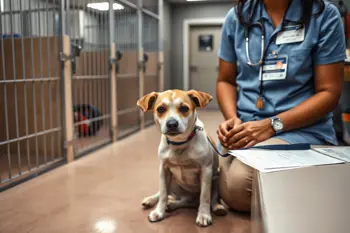
Most adoption pathways involve identifying a suitable organisation, reviewing available animals, submitting an enquiry or application, speaking with an adoption counsellor, meeting the dog, and completing an agreement if the match is approved. Procedures differ by organisation. SPCA states that all household members must attend the visit, thorough interviews are conducted, and a premises check may be required. If approval is granted, adoption may occur on the spot, with the animal held for up to three days. 25
- Appointments may be required, and a chosen animal may be adopted before the scheduled visit. 2
- Some organisations permit reservations only during a physical appointment. 2
- Applications commonly cover housing, household members, existing pets, lifestyle, and care capacity. 7
Applicant and home requirements
Applicants should expect the organisation to assess whether the residence is suitable and whether every household member accepts the adoption. Shelter agreements can impose continuing responsibilities and may include provisions for house visits or reclaiming an animal if mistreatment is suspected. Government-issued identification, landlord or housing permission, and information about existing animals are common screening subjects in adoption systems, although the precise requirements are set by each shelter or rescue rather than one universal standard. 57
| Requirement area | What may be examined |
|---|---|
| Residence | Whether pets are permitted and whether the premises provide a safe environment. 27 |
| Household | Participation and consent of household members, including interaction with the dog. 2 |
| Commitment | Ability to provide daily care, veterinary treatment, training, and long-term stability. 58 |
HDB rules and Project ADORE
HDB flats generally allow one dog per flat from an approved list of 62 small breeds, subject to applicable licensing and identification requirements. The reported toy-breed threshold is up to 40 centimetres in height and 10 kilograms in weight, while Project ADORE provides a separate route for one local mixed-breed dog up to 55 centimetres at the shoulder. ADORE dogs must be licensed, microchipped, vaccinated, sterilised, and supported by mandatory obedience training. 46
- Project ADORE applies to eligible local mixed-breed dogs rather than every rescue dog. 4
- Partner groups identified in the research include ASD, Causes for Animals, Exclusively Mongrels, MARS, SOSD, and SPCA. 4
- Applicants should verify current AVS and HDB rules because regulatory lists and procedures can change. 6
Fees, licensing, and veterinary preparation
Adoption fees vary according to the organisation, age, breed category, and medical circumstances. SPCA lists fees of S$250 for Singapore Special puppies, S$150 for Singapore Special adults, S$350 for pedigrees and crosses under 7.5 years, S$70 for seniors, and S$25 for special-needs or long-term-care cases. Those fees include vaccination, sterilisation, deworming, and microchipping, but the AVS dog-licensing fee is separate. 2
- A separate Singapore guide reports a broader typical adoption-fee range of S$250 to S$600 for small dogs, illustrating variation between sources and organisations. 3
- A sterilised dog licence is reported as S$15 per year in the cited Singapore guidance. 34
- Applicants should request medical history and clarify continuing needs such as dental care or breed-linked conditions. 38
Assessment before and after adoption
Before signing, the prospective adopter should ask about house-training, behaviour around children and other animals, activity requirements, medical history, and any special care. Small breeds may suit apartments, but their size is not a complete indicator of workload or temperament. After adoption, responsible ownership includes a stable routine, preventive veterinary care, vaccinations, parasite control, identification, sterilisation where applicable, and compliance with local licensing, leash, and animal-control requirements. 178
- Allowing an adopted dog time to adjust is part of responsible home preparation. 8
- Adoption agreements may create continuing obligations after the animal leaves the shelter. 5
- Rules for imported dogs are separate from domestic shelter adoption and may involve CDC, USDA, state, airline, and documentation requirements. 910
Sources
- Pawrenthood, How to Adopt a Dog in Singapore (2026)
- Society for the Prevention of Cruelty to Animals, Adoption
- UrbanDogOwner, Small dogs for adoption in Singapore
- UrbanDogOwner, Project ADORE explained
- Tembusu Law, Legal Considerations and Procedures of Pet Adoption in Singapore
- Shiok Living, HDB Approved Dog Breeds Singapore 2026
- Petfinder, Dog Adoption Process
- ASPCA, Adopting a Pet and Dog Care
- Centers for Disease Control and Prevention, Importation of Dogs
- USDA APHIS, Pet Travel