Foods to Avoid for Menopause Hot Flashes: A Comprehensive Guide to Managing Symptoms
Facts:
- Menopause often brings intense hot flashes.
- Dietary changes significantly impact menopausal symptoms.
Understanding Dietary Triggers for Menopause Hot Flashes
Navigating the complex landscape of menopause hot flashes can often feel overwhelming, but understanding the role of your diet is a powerful step towards regaining control. Many women experience an increase in the frequency and intensity of these sudden waves of heat, sweating, and flushing, impacting daily life and sleep quality. While menopause is a natural transition, certain foods can act as potent trigger foods, exacerbating these uncomfortable episodes. Identifying and judiciously avoiding these specific items can significantly alleviate menopausal symptoms and contribute to overall well-being. This guide delves deep into the dietary culprits that can inflame your internal thermostat, offering practical insights to help you manage hormone balance through mindful eating choices.
The Core Dietary Trigger Foods to Avoid for Menopause Hot Flashes
Spicy Foods and Their Impact on Menopausal Symptoms
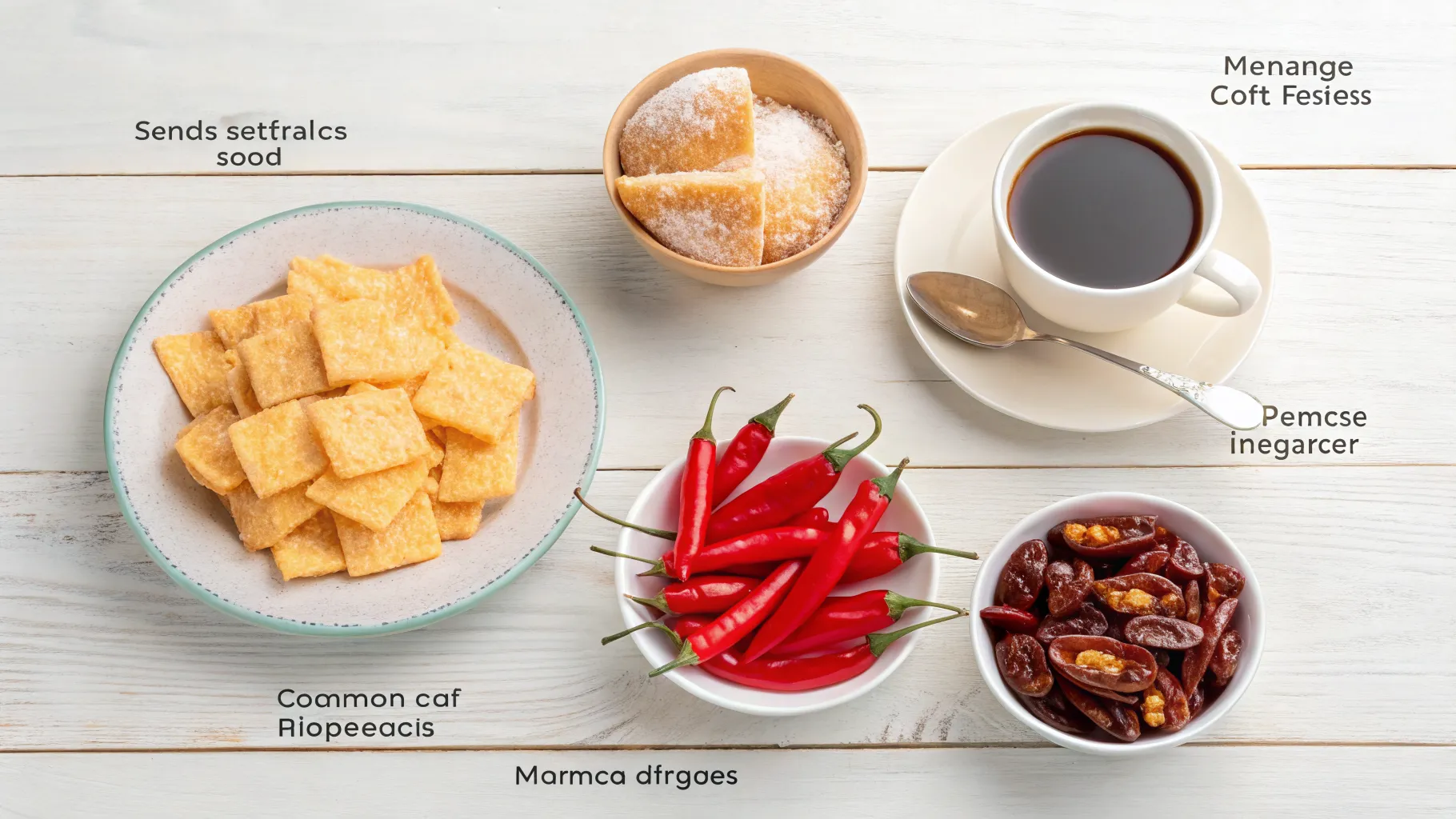
For many women navigating menopause hot flashes, spicy foods top the list of items to avoid. Capsaicin, the active compound in chili peppers, can mimic the body's heat response, triggering a sudden rush of warmth and perspiration that can feel indistinguishable from a hot flash. This compound stimulates nerve receptors in the skin, which send signals to the brain that the body is overheating, prompting a cascade of physiological responses designed to cool down, such as sweating and increased blood flow to the skin. Even mild spices can be problematic for sensitive individuals. The intensity of this reaction can vary greatly among women, making it crucial to pay close attention to personal responses. Avoiding curries, hot sauces, and heavily spiced dishes, especially in the evening, can be a crucial step in minimizing the frequency and severity of menopausal symptoms. Experimenting with milder flavor alternatives or simply reducing the amount of spice used in cooking can make a significant difference in managing discomfort and improving overall diet for menopause strategies. The goal is to identify your personal tolerance threshold rather than eliminate all flavor, though for some, complete avoidance may be necessary during peak symptomatic periods.
Caffeine: A Double-Edged Sword for Hormone Balance
While a morning cup of coffee might seem indispensable, caffeine can be a significant contributor to menopause hot flashes and other menopausal symptoms. Caffeine acts as a stimulant, increasing heart rate and blood pressure, which can lead to a sudden surge of heat in susceptible individuals. Beyond hot flashes, caffeine can also disrupt sleep patterns, which are often already compromised during menopause, thereby creating a vicious cycle where fatigue exacerbates hot flashes, and hot flashes disrupt sleep further. Furthermore, caffeine can affect hormone balance by influencing cortisol levels, the body's primary stress hormone. Elevated cortisol can indirectly impact estrogen levels, potentially worsening menopausal symptoms. Limiting intake of coffee, tea, energy drinks, and even certain chocolates is highly recommended. Switching to decaffeinated versions or herbal teas can be a gentle transition, helping to reduce reliance on stimulants and promote a calmer internal environment. Observing your body's reaction to caffeine is key; some women may find that even a small amount can trigger a hot flash, while others may tolerate moderate consumption. However, for effective management of a diet for menopause, a reduction is generally beneficial.
Alcohol: A Common Trigger Food for Menopause Hot Flashes
Alcohol, particularly red wine, is frequently cited as a trigger food for menopause hot flashes. The exact mechanism isn't fully understood, but alcohol can cause vasodilation—the widening of blood vessels—which leads to a sensation of warmth and flushing. Additionally, alcohol affects the central nervous system and can interfere with the body's ability to regulate temperature, making it harder to control core body temperature. It can also disrupt sleep, which, like caffeine, can indirectly worsen menopausal symptoms. The dehydrating effect of alcohol can further exacerbate discomfort. Even small amounts of alcohol can be enough to set off a hot flash for some women. It's often recommended to avoid alcohol altogether during times of severe menopause hot flashes or at least to significantly reduce intake. If you choose to drink, opt for lighter options and consume in moderation, paying close attention to your body's response. Hydrating well with water alongside any alcoholic beverage can also help mitigate some of its negative effects, but complete avoidance is often the most effective strategy for managing trigger foods in the diet for menopause.
Sugary and Processed Foods: Impact on Blood Sugar and Energy
Diets high in refined sugars and processed foods can contribute to menopause hot flashes by causing rapid fluctuations in blood sugar levels. When blood sugar spikes and then rapidly drops, it can trigger a stress response in the body, leading to a surge of adrenaline and other stress hormones. This hormonal fluctuation can, in turn, mimic or exacerbate the symptoms of a hot flash. Foods like sugary drinks, candies, pastries, white bread, and many packaged snacks offer little nutritional value and often contain artificial additives that can be problematic for hormone balance. These trigger foods contribute to systemic inflammation, which can further complicate menopausal symptoms. Focusing on whole, unprocessed foods, rich in fiber and lean protein, can help stabilize blood sugar levels, reduce inflammatory responses, and support a more consistent hormone balance. Choosing complex carbohydrates, such as whole grains, fruits, and vegetables, over simple sugars is a fundamental principle of a healthy diet for menopause that can significantly alleviate discomfort associated with menopause hot flashes.
High-Fat Foods and Digestive Load
While healthy fats are essential for hormone balance and overall health, excessive intake of unhealthy saturated and trans fats can contribute to menopausal symptoms, including menopause hot flashes. High-fat meals can be more difficult to digest, requiring the body to expend more energy and potentially increasing core body temperature, especially after eating. This increased metabolic activity can trigger a hot flash in vulnerable individuals. Furthermore, unhealthy fats found in fried foods, fatty meats, and many fast-food items can promote inflammation throughout the body, which may indirectly worsen the frequency and intensity of hot flashes. Opting for lean proteins, plenty of fruits and vegetables, and healthy fats from sources like avocados, nuts, seeds, and olive oil can support better digestion and reduce the overall thermal load on the body. A balanced diet for menopause that emphasizes whole, nutrient-dense foods is crucial for managing weight, supporting cardiovascular health, and alleviating various menopausal symptoms, thereby reducing reliance on trigger foods.
Large Meals and Their Thermogenic Effect
Beyond specific trigger foods, the size and timing of meals can also influence menopause hot flashes. Consuming very large meals, especially close to bedtime, requires the digestive system to work harder, a process known as thermogenesis, which generates heat. This increase in internal body temperature can easily trigger a hot flash. The body’s metabolism ramps up to process a substantial amount of food, and for women already predisposed to menopausal symptoms, this added heat can be enough to induce discomfort. Instead, opting for smaller, more frequent meals throughout the day can help maintain stable blood sugar levels and keep the digestive load manageable. This approach prevents both the thermogenic spike associated with large meals and the stress response from blood sugar dips. Additionally, ensuring that evening meals are lighter and consumed a few hours before sleep can significantly improve sleep quality and reduce nighttime menopause hot flashes. This simple adjustment in eating patterns is an effective part of a comprehensive diet for menopause strategy aimed at promoting greater comfort and hormone balance.
Practical Strategies for a Hot Flash-Friendly Diet for Menopause
- Keep a Food Diary: Keeping a detailed record of what you eat and when hot flashes occur can help you identify your specific trigger foods. Note the intensity and duration of flashes alongside your meals and beverages. This personalized data is invaluable for tailoring your diet for menopause to your unique needs, moving beyond general recommendations to precise individual insights.
- Stay Hydrated: Drinking plenty of cold water throughout the day can help regulate body temperature and mitigate the effects of menopause hot flashes. Dehydration can exacerbate symptoms, so ensure consistent fluid intake. Carrying a reusable water bottle and sipping regularly can make a noticeable difference in overall comfort and managing menopausal symptoms.
- Embrace Plant-Based Foods: A diet rich in fruits, vegetables, and whole grains can provide essential nutrients and fiber, supporting hormone balance and reducing inflammation. Phytoestrogens found in foods like flaxseeds, soy, and legumes may also offer some relief from menopausal symptoms, although more research is needed.
- Prioritize Lean Protein: Include sources of lean protein such as chicken, fish, tofu, and legumes in your meals. Protein helps stabilize blood sugar, promotes satiety, and supports muscle mass, all of which contribute to better hormone balance and overall well-being during menopause.
- Mindful Eating and Stress Reduction: Eating slowly, savoring your meals, and practicing stress-reduction techniques like meditation or deep breathing can indirectly help manage menopause hot flashes. Stress is a known trigger, and a calmer mind can lead to a calmer body, reducing the frequency and intensity of menopausal symptoms.
Frequently Asked Questions
Can lifestyle changes beyond diet help with menopause hot flashes?
Absolutely. While dietary adjustments are crucial, incorporating other lifestyle changes can significantly enhance the management of menopause hot flashes. Regular moderate exercise, avoiding tight clothing, dressing in layers, maintaining a cool sleeping environment, and practicing stress-reduction techniques like yoga or meditation are all effective strategies. Quitting smoking and limiting alcohol intake are also vital for reducing the severity and frequency of menopausal symptoms. A holistic approach that combines diet with these lifestyle modifications often yields the best results for overall hormone balance and comfort.
How quickly can I expect to see results from changing my diet for menopause?
The timeframe for experiencing improvements from dietary changes varies greatly among individuals. Some women may notice a reduction in menopause hot flashes within a few days or weeks of consistently avoiding trigger foods and adopting a healthier diet for menopause. For others, it might take a month or more for the body to adjust and for hormone balance to begin stabilizing. Consistency is key, and it's important to give your body enough time to respond to the changes. Keeping a symptom diary can help you track progress and identify which specific dietary modifications are most effective for your menopausal symptoms.
Are there any foods that can help reduce menopausal symptoms?
Yes, while the focus is often on foods to avoid for menopause hot flashes, incorporating certain foods can be beneficial. Foods rich in phytoestrogens, such as flaxseeds, soy products (tofu, tempeh), chickpeas, and lentils, may offer mild estrogenic effects that could help modulate hormone balance and potentially reduce menopausal symptoms. Omega-3 fatty acids found in fatty fish (salmon, mackerel) and walnuts have anti-inflammatory properties. A diet rich in fruits, vegetables, and whole grains provides antioxidants and fiber, supporting overall health and contributing to a balanced diet for menopause. Always consult with a healthcare professional or a registered dietitian for personalized dietary advice.
References
- North American Menopause Society. The role of diet in managing menopausal symptoms.
- Journal of Women's Health. Dietary patterns and hot flashes in midlife women.
- Harvard Medical School. Lifestyle and dietary strategies for menopause.
- American Journal of Clinical Nutrition. Impact of specific foods on menopausal hot flash frequency.