Understanding Fatty Liver: Symptoms to Monitor in 2026
Fatty liver disease, also known as hepatic steatosis, is characterized by an excessive accumulation of fat in the liver cells. While a small amount of fat in the liver is normal, too much can lead to inflammation and liver damage, potentially progressing to more serious conditions like fibrosis, cirrhosis, or liver failure. Given its often asymptomatic nature in early stages, recognizing and monitoring potential symptoms is essential for maintaining liver health, especially as global health trends continue to highlight its increasing prevalence in 2026.
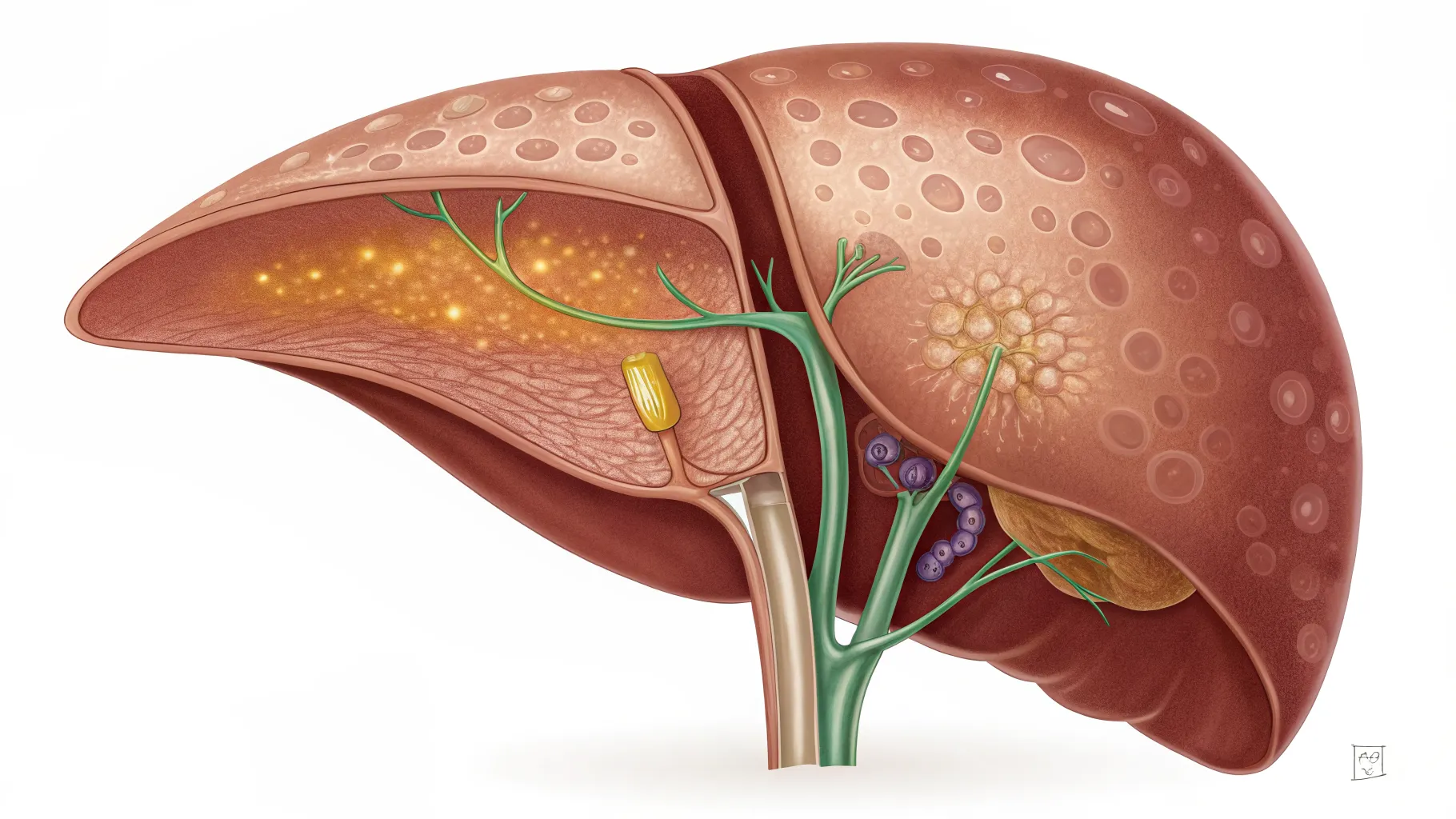
What is Fatty Liver Disease?
Fatty liver disease primarily comes in two main forms: Non-Alcoholic Fatty Liver Disease (NAFLD) and Alcoholic Fatty Liver Disease (ALD). NAFLD is the more common type and is not caused by heavy alcohol use. It encompasses a spectrum of conditions, from simple fatty liver (steatosis) to non-alcoholic steatohepatitis (NASH), a more aggressive form involving inflammation and liver cell damage.
ALD, as the name suggests, is caused by excessive alcohol consumption. Both forms can lead to severe liver damage if left unmanaged. The global rise in obesity, type 2 diabetes, and metabolic syndrome has contributed to NAFLD becoming one of the most common liver conditions worldwide, making awareness of its symptoms increasingly important for public health.
Early Warning Signs: Often Subtle
One of the most challenging aspects of fatty liver disease is its tendency to be asymptomatic in its early stages. Many individuals may not experience any noticeable symptoms until the condition has progressed significantly. This 'silent' progression underscores the importance of regular medical check-ups and being aware of risk factors.
When early symptoms do appear, they are often vague and non-specific, making them easy to dismiss or attribute to other causes. These can include a general feeling of malaise, persistent fatigue, or a dull ache or discomfort in the upper right quadrant of the abdomen, where the liver is located. These subtle indicators highlight the need for vigilance, particularly for individuals with known risk factors.
Common Symptoms to Watch For
As fatty liver disease progresses, more distinct, though still sometimes general, symptoms may begin to manifest. These symptoms reflect a greater degree of liver involvement or inflammation, prompting a need for medical evaluation. They are not exclusive to fatty liver but warrant investigation if they persist.
Persistent fatigue or unexplained weakness, even after adequate rest.
A feeling of fullness or a dull, aching discomfort in the upper right side of the abdomen, which may be caused by an enlarged liver.
Unexplained weight loss or loss of appetite, which can occur as the liver struggles to function efficiently.
Nausea or a general feeling of being unwell, particularly after eating fatty foods.
Mild confusion or difficulty concentrating, often referred to as 'brain fog', though this is less common in earlier stages.
Advanced Symptoms Indicating Potential Complications
When fatty liver disease advances to more severe stages, such as NASH with significant fibrosis or cirrhosis, the symptoms become more pronounced and indicative of serious liver impairment. These advanced signs suggest that the liver's ability to perform its vital functions is severely compromised and require immediate medical attention.
These severe symptoms can include jaundice, characterized by yellowing of the skin and eyes, and dark-colored urine, both resulting from the liver's inability to process bilirubin effectively. Other indicators of advanced disease are swelling in the legs and ankles (edema), abdominal swelling due to fluid retention (ascites), easy bruising or bleeding, and severe mental confusion or disorientation (hepatic encephalopathy). These symptoms signify a critical stage of liver damage.
Risk Factors for Developing Fatty Liver
Understanding the risk factors is crucial for both prevention and early identification of fatty liver disease. Several lifestyle choices and underlying health conditions significantly increase an individual's susceptibility to developing this condition. Modifying these factors can play a substantial role in reducing risk.
Key risk factors include obesity, particularly central obesity (excess fat around the waist), and type 2 diabetes, where insulin resistance plays a significant role. High cholesterol and high triglyceride levels, often components of metabolic syndrome, also contribute. Furthermore, certain medications, rapid weight loss, and some genetic factors can increase vulnerability.
For Alcoholic Fatty Liver Disease, chronic and excessive alcohol consumption is the primary cause. The amount of alcohol that leads to liver damage varies between individuals, but consistent heavy drinking significantly elevates the risk of both fat accumulation and subsequent inflammation and damage.
When to Seek Medical Attention
It is important to consult a healthcare professional if you experience any persistent or concerning symptoms that might indicate liver problems, especially if you have known risk factors for fatty liver disease. Early diagnosis is key to managing the condition and preventing its progression to more severe stages.
Regular health check-ups, including liver function tests, are particularly advisable for individuals with obesity, diabetes, high cholesterol, or a history of significant alcohol use. If symptoms like persistent fatigue, abdominal discomfort, jaundice, or swelling develop, prompt medical evaluation is necessary to determine the underlying cause and initiate appropriate management.
Lifestyle and Prevention Considerations for 2026
As we look towards 2026, the emphasis on lifestyle modifications remains at the forefront of preventing and managing fatty liver disease. Adopting a balanced diet rich in fruits, vegetables, and whole grains, while limiting processed foods, sugary drinks, and excessive saturated fats, is a fundamental step. Portion control and mindful eating also play a crucial role in maintaining a healthy weight.
Regular physical activity, ideally at least 150 minutes of moderate-intensity exercise per week, is vital for weight management and improving insulin sensitivity. For those at risk of ALD, reducing or eliminating alcohol consumption is paramount. Effectively managing existing health conditions such as diabetes and high cholesterol through medication and lifestyle changes, under medical guidance, is also a key preventive measure for maintaining liver health.